An Australian first: Traditional Owners direct Indigenous housing projects
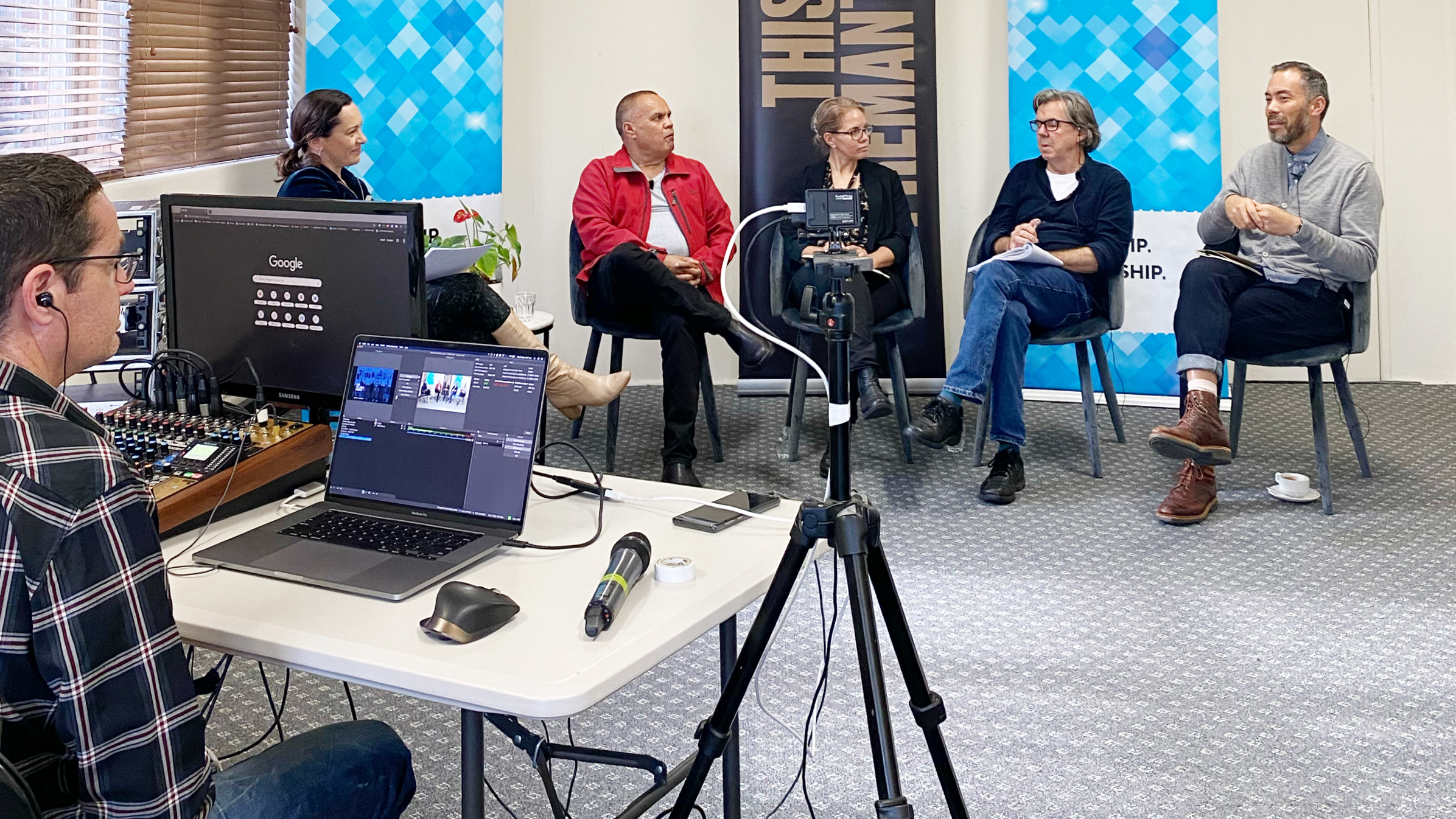
We were chuffed to see this review in Domain of a presentation that we gave at the Housing Futures conference in Melbourne last week. Thanks to journalist Jenny Brown for picking up on this important story.
“The slowest of the art forms, and one that generally starts with considering local context, community connections and subtle elements like site lines, is spun into a whole new dimension when architecture needs to consider the world’s oldest living culture, clan, inter-family and moiety relationships, and the ancient insider knowledge of songlines.
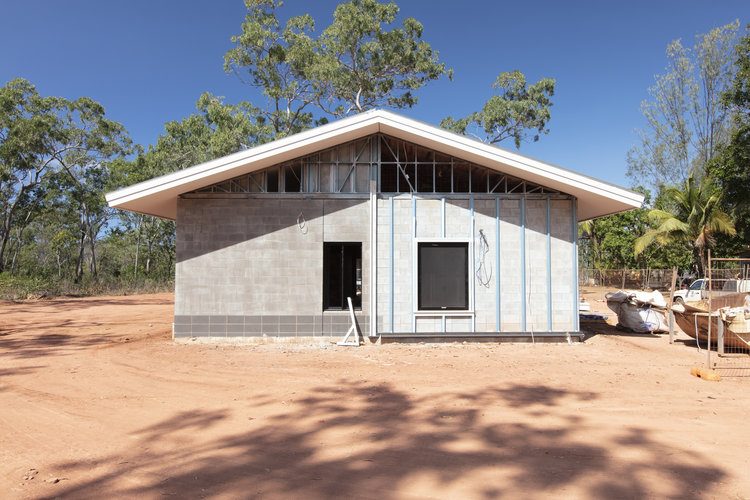
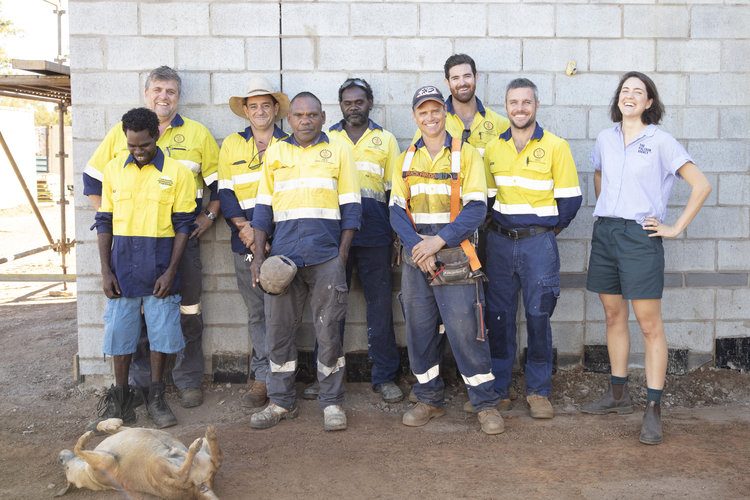
In the Groote Eylandt part of East Arnhem Land, and in an Australian-first project where traditional owners rather than a government agency have directly employed an architecture firm to deliver “culturally empowered housing”, Perth practice TheFulcrum Agency has been learning a great deal about “the ability to work slowly”.
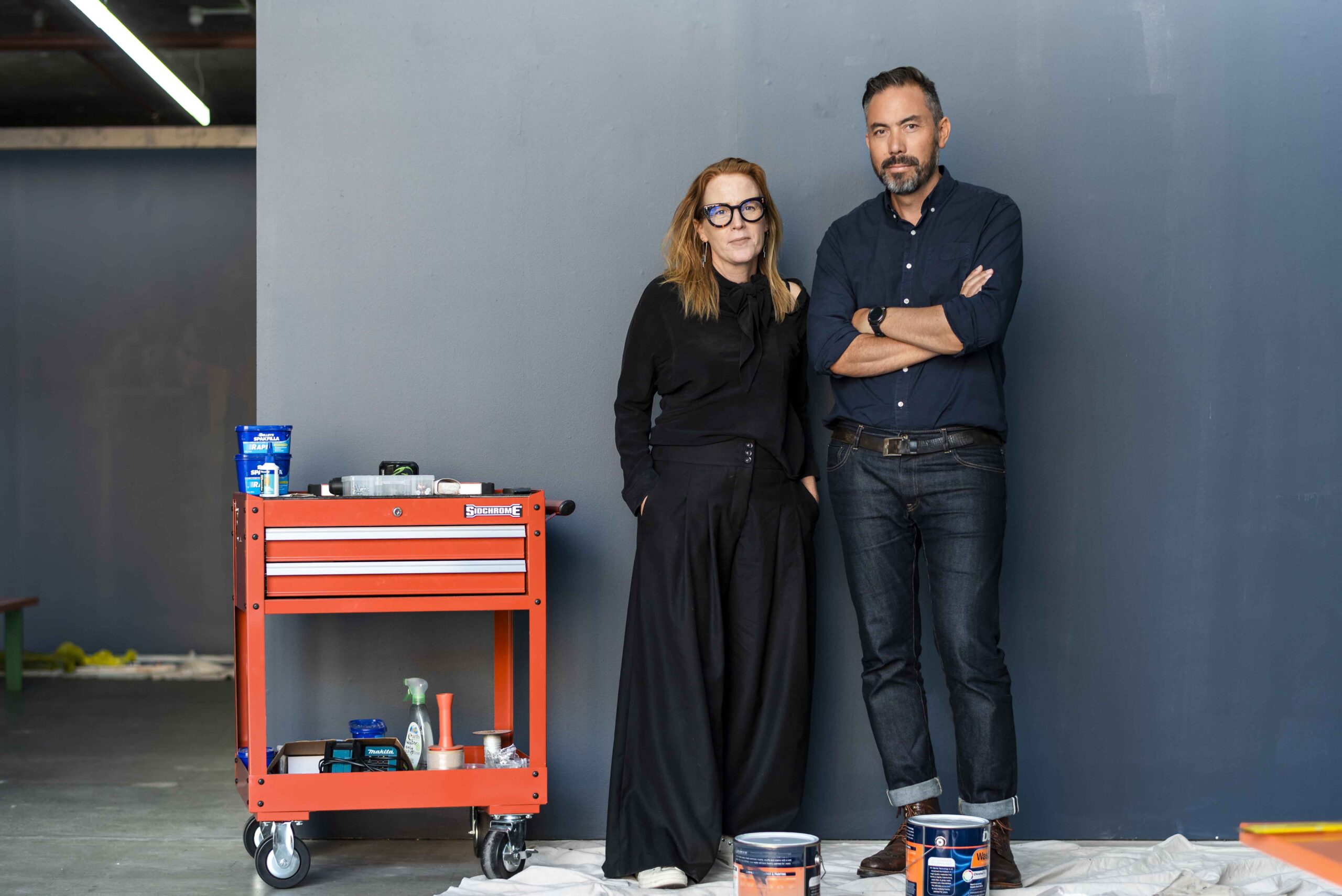
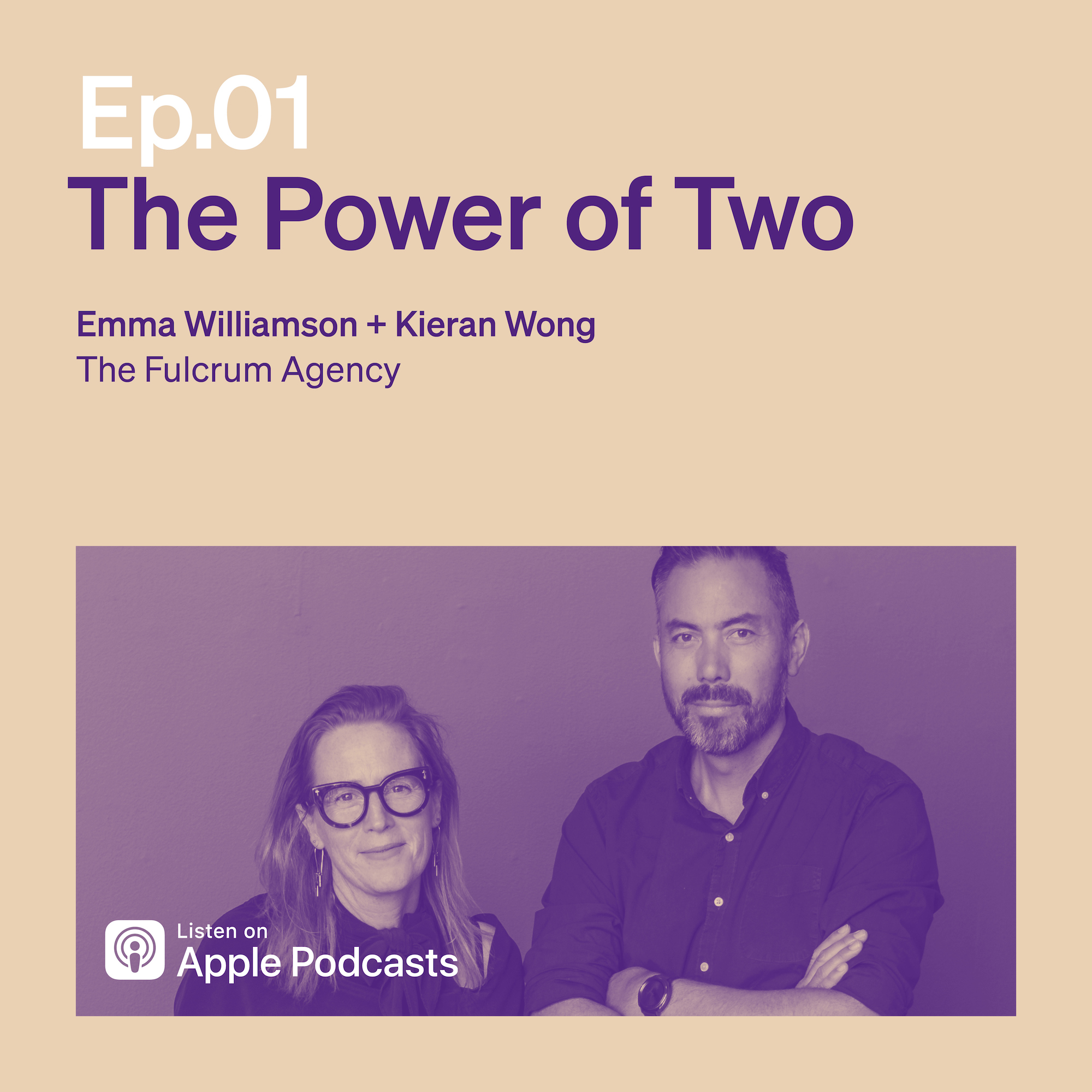
To a wide-ranging architectural forum Housing Futures, convened in Melbourne last Friday by Architecture Media, Fulcrum Agency principal Kieran Wong explained that with all the cultural constraints of the project commissioned by the Anindilyakwa Housing Aboriginal Land Council (AHAC), he saw “working slowly as the great opportunity of the project”.
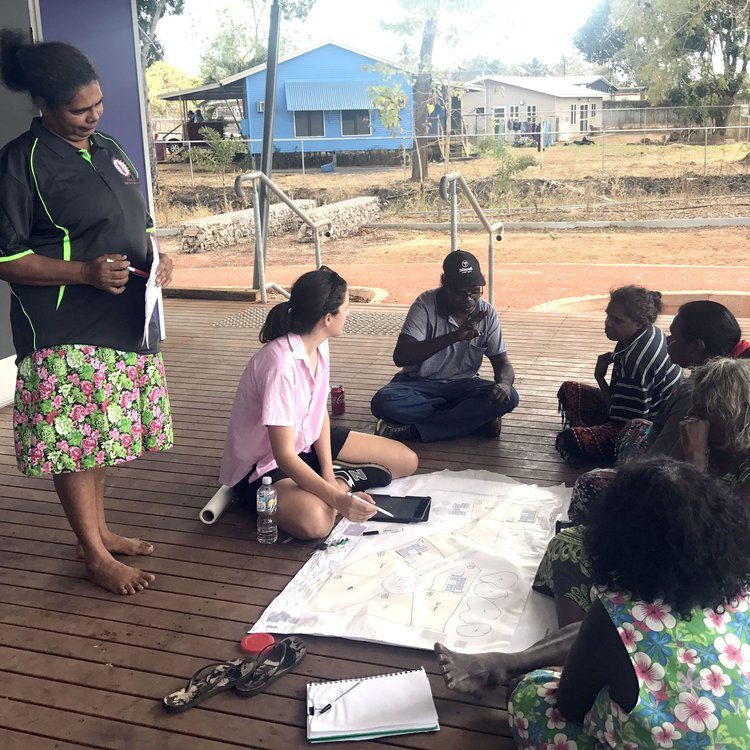
Engaging in years of meetings in which members of 14 local clan groups had explained why the prescribed housing solutions of the past had failed, and all the changes and adaptations that would actually maintain wellbeing and necessary traditions, Wong said what was being asked for was “very different to any masterplan the [NT] government had on file”.
“We don’t need to invent anything. What we need to do is what works; to do it properly and not to rush it,” Wong said.”
Indigenous housing projects, he said, had the tendency “of burning architects out in repeating cycles of failure”.
Instead of doing more of the same, the Groote Eylandt projects are modelling what happens when the directions come straight from traditional owners and the ultimate occupants like Gregson Lalara, founding chair of the Anindilyakwa Housing Co-operative and, therefore, Wong’s boss.
To the audience of mainly capital city architects, Lalara outlined cultural behaviours that were not only different to those of settler Australia, “but different to other Indigenous cultures in Australia”.
He said the new generation housing needed to be properly mindful “of different privacy structures” that could govern inter-action between neighbours and even members of the same family who occupied a single house.
At times and for reasons of correct (social or ritual) moiety relationships, various members cannot share what would be normally be common spaces such as bathrooms.
On the old standard-issue housing model, this has led to hot-climate houses being shrouded in shade cloth or tarpaulin screening – both within a single structure and to ensure that outward viewpoints towards neighboring houses were not inappropriate.
Even where there is a sea view, or an excellent potential for cross-breeze ventilation, conventional design can very clumsily contravene tradition. “Houses can also be facing the wrong way, or towards the wrong part of the country,” Wong said. “And this has led to all sorts of strange enclosures happening.”
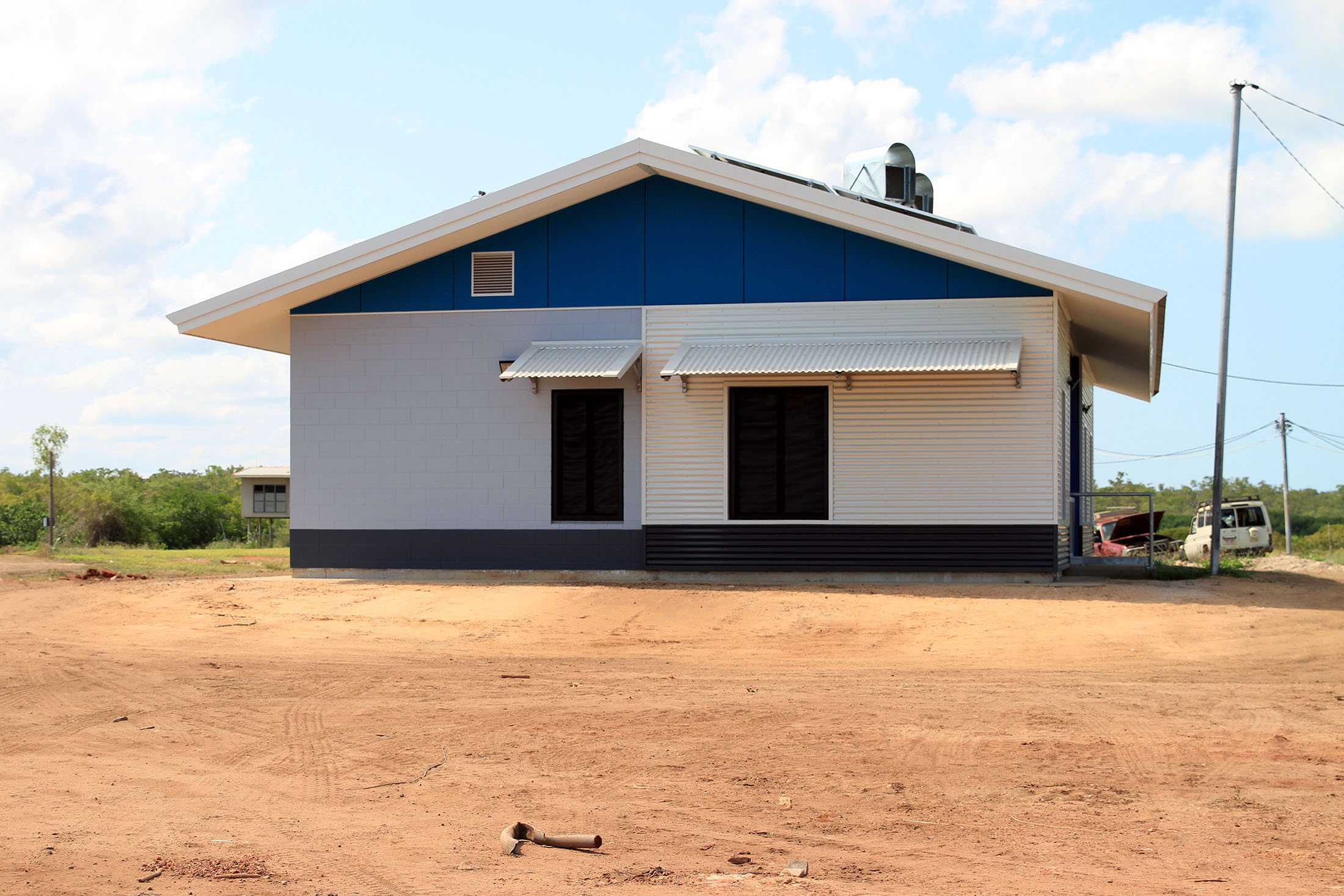
With the current housing projects still under construction, and with a five to 10-year delivery schedule, the emphasis has been on “making the houses incredibly elastic because of the way occupancy patterns can change over time”.
“In the life of a house, events – say through marriage – can change family groupings quite dramatically.
“These are not Western nuclear families and the houses need to have multiple entry and exit points so ‘poisonous cousins’ and in-laws don’t encounter each other.”
The screening devices that will continue to be a big part of making a house flexible must therefore have adaptable fixing points that don’t, at the same time, impede healthy ventilation. For this, gable roof-lines are proving useful. “We need simple formats that can be flipped,” Wong said.
Because of the belief in nocturnal sorcery, Lalara explained the need for certain outdoor areas to be floodlit.
The myriad subtle differences necessary in the designing and delivering of housing that will be successful for the resident communities has, says Wong, “been an amazingly engaging project in which we’ve sat down and talked properly”.
Taking the directions from the local communities has been “a milestone”, he says. “To hand back decision-making to the people of Groote has been a process of listening and trying to understand.”
Next Article

Architects Declare
(View Article)