What is the value of good design?
Demonstrating the value of design is an issue that plagues the architectural profession. As architects, we have a deep understanding and conviction that design matters, but how we demonstrate this to our clients and communities is less clear. TF.A Principal, Nick Juniper unpacks our new approach to quantifying the value of design.
Last year I attended a training course on Social Return on Investment (SROI). This is a methodology that describes the changes that result from the implementation of a project or service and then places value on those changes. It enables service providers to identify and value the outcomes of projects which would normally be overlooked in a typical return on investment or cost/benefit analysis.
Curiously, SROI is rarely used to describe built environment projects, the design process or design outcomes. At TF.A, we saw an opportunity to build on the principles of SROI and enhance the methodology with an emphasis on design. Our working title for this new way of thinking is ‘Social Return on Design Investment (SRODI)’. We are utilising an evidence-based approach to quantifying the value of the project design outcomes.
As design thinkers and practitioners, we are strident advocates of good design; of design that is consultative, iterative, and responsive. Utilising the principles of impact assessment analysis through a SRODI process, we believe that it is possible to answer the question – what is the value of good design? To demonstrate, we hope to apply this analysis to our work for the Anindilyakwa Housing Aboriginal Corporation (AHAC) in the Groote Eylandt Archipelago in the Northern Territory.
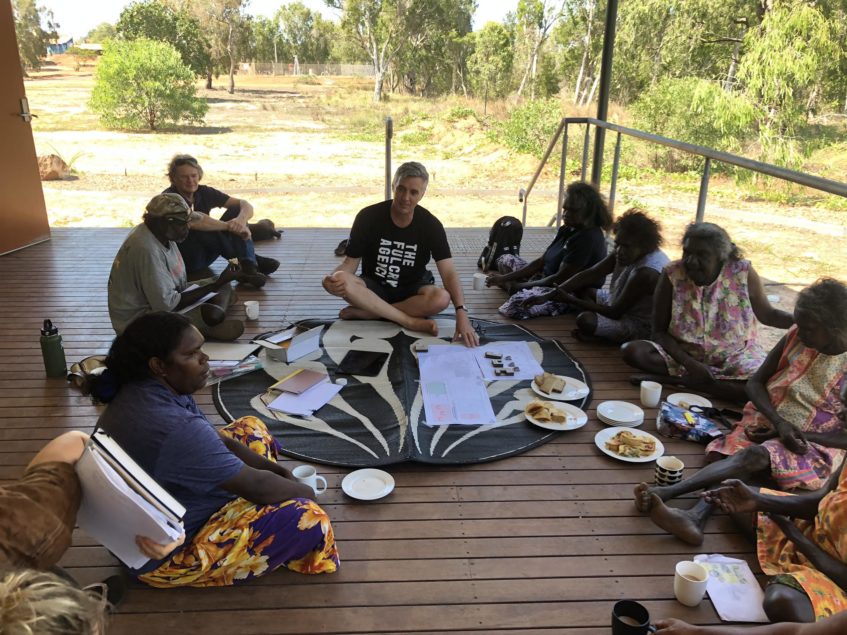
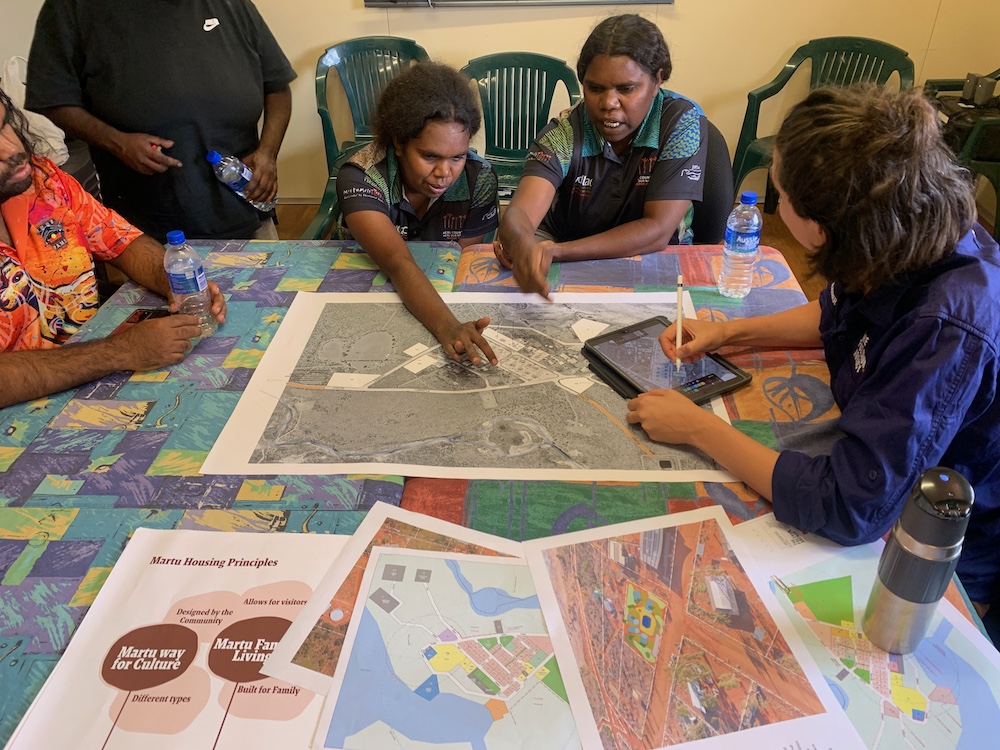
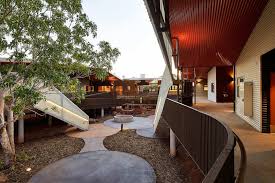
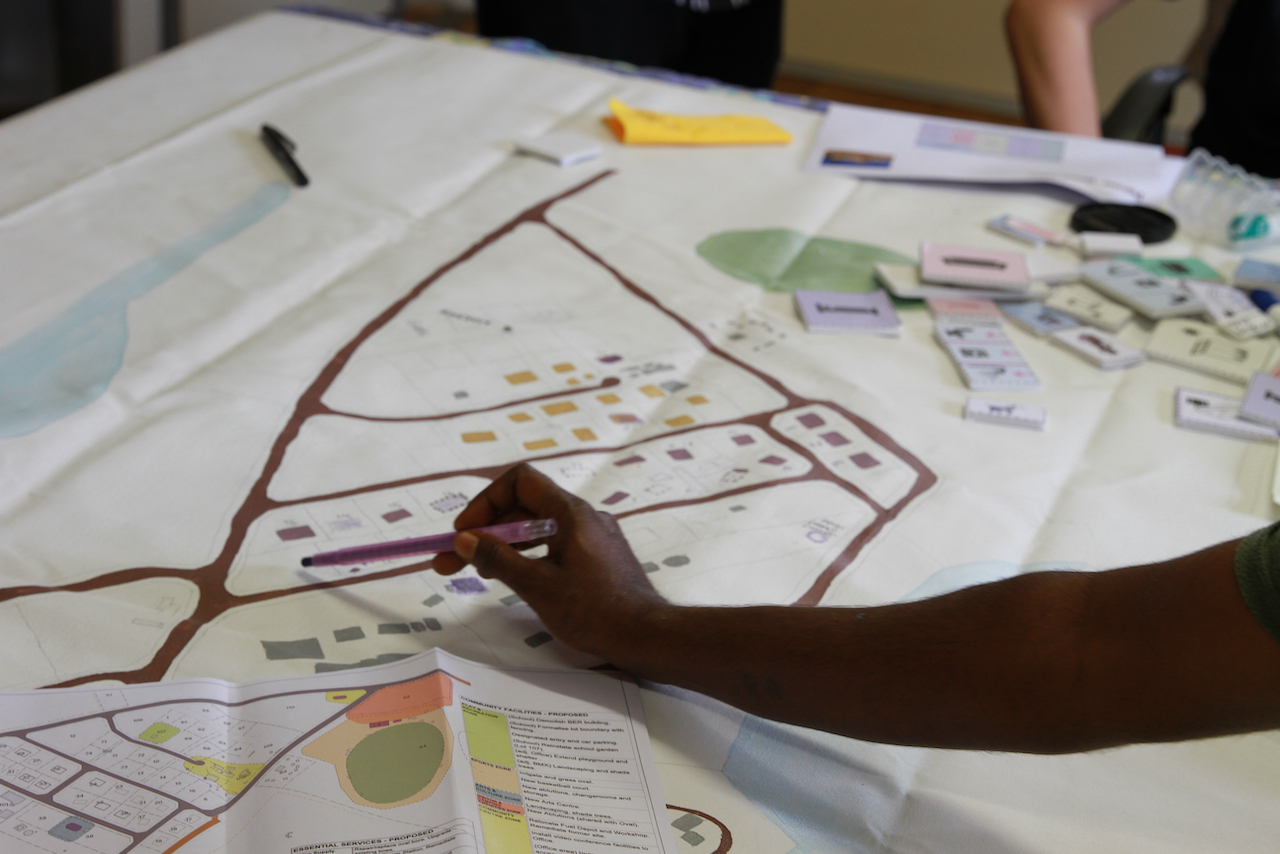
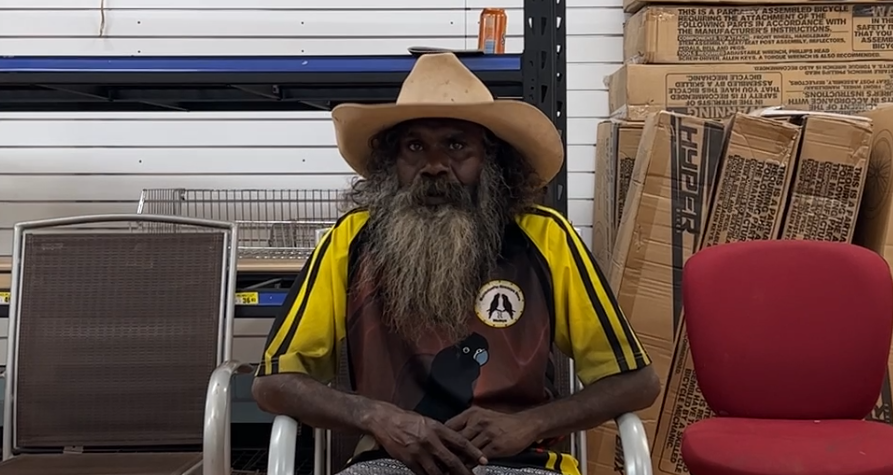
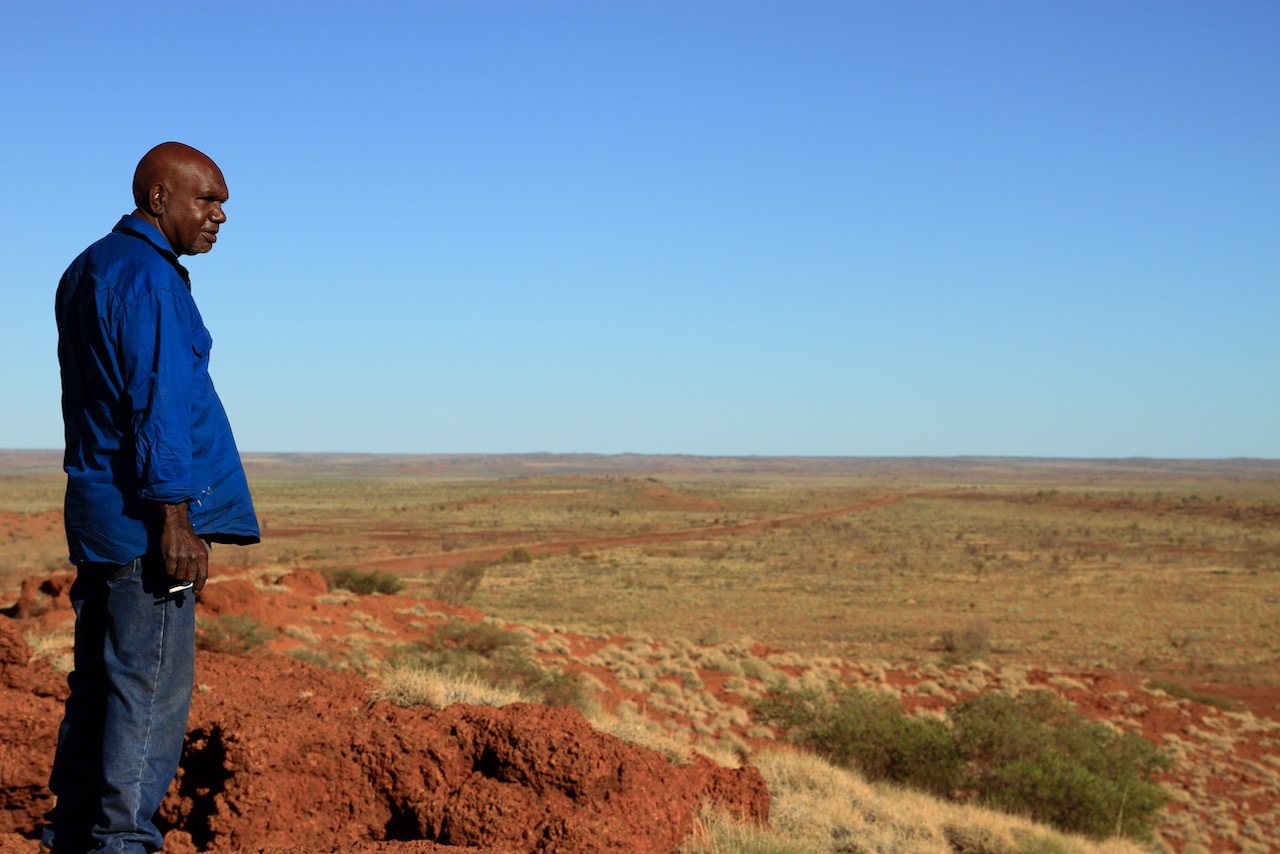
Since 2016, we have been working with the Wanindilyakwa People on a Housing Masterplan Study that culminated in the design and construction of new series of houses. These houses have been designed in collaboration with local community housing reference groups and community members and respond directly to the problems surrounding existing housing stock. The new community residential subdivisions and house designs incorporate important aspects of culture and country, and the delivery of Stage 1 and Stage 2 was enthusiastically welcomed by community.
Over the next several months, as the tenants occupy and inhabit the houses, a series of carefully crafted surveys are proposed to gather feedback and understand what has changed for the residents. What are the material (relevant and significant) changes that they have experienced that can be attributed to the new house designs? Do the new houses mean that they are happier, healthier and able to lead a stronger cultural life, connected to family and respectful of cultural protocols?
There is also a financial value to conducting this sort of analysis. Utilising the principles of ‘Stated Preferences’ and ‘Financial Proxies’ found in a typical Social Return on Investment analysis, outcomes such as improved social connections, happier family relationships, or stronger cultural lives can be given a dollar value. Doing this provides our clients with valuable return on investment data and helps to build case for future capital works expenditure and project feasibility.
We are excited to have the opportunity capture and describe all the social and cultural outcomes that these new house designs have created. Through a rigorous application of the SRODI principles, we will be able to determine the value of these outcomes and establish where we have made the biggest impact through design.
Next Article
The Art of Survival
(View Article)