When your house makes you sick, how do you self-isolate?
By Kieran Wong
Australia appears to be ‘flattening the COVID-19 curve’ through house-bound isolation and social distancing measures.
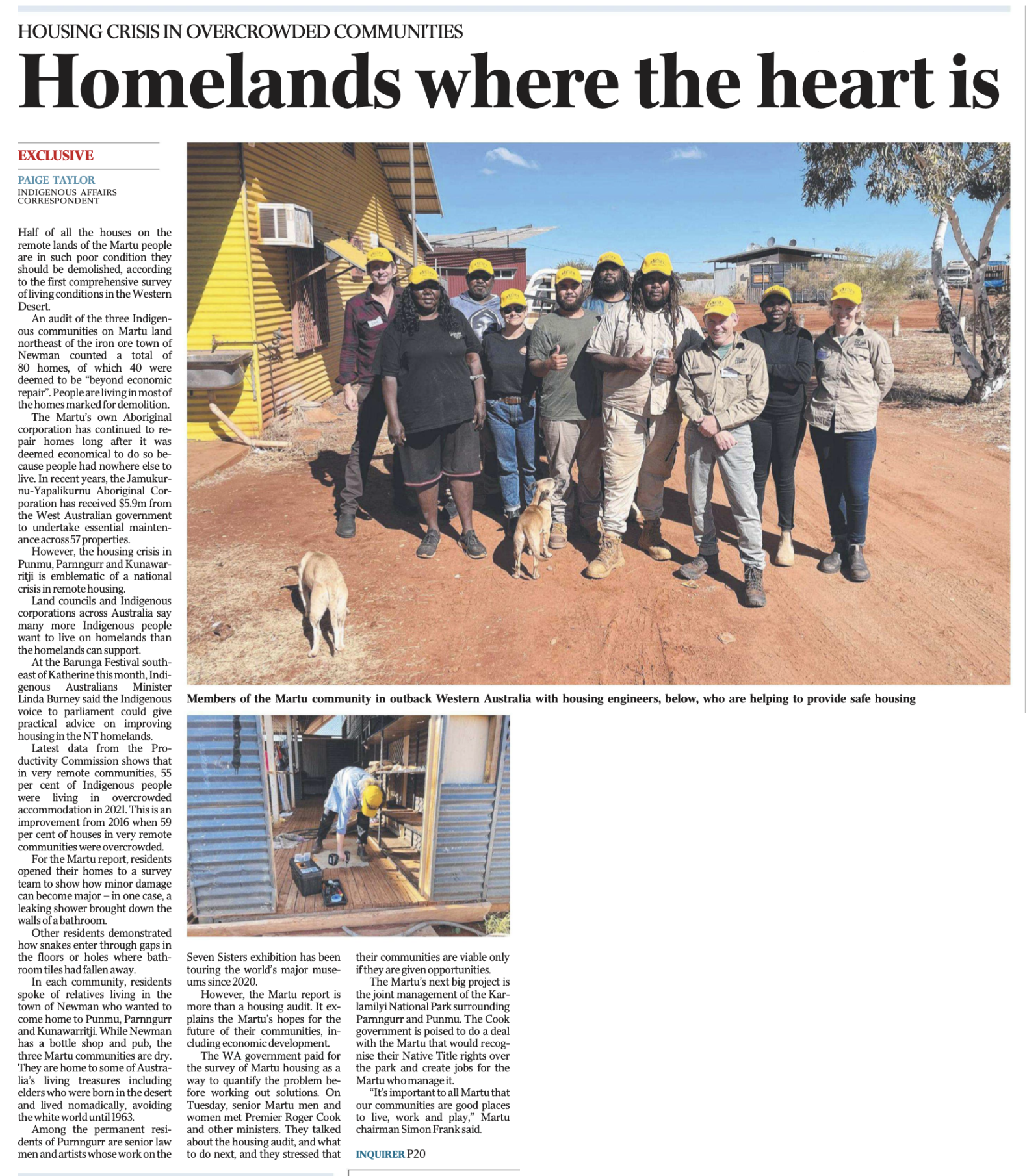
Maintaining physical distance is significantly more difficult in our regional and remote Indigenous communities where close living is the norm and severe crowding is common. As the threat of COVID-19 increases, many people have returned to their homelands (LINK), moving in with relatives and putting pressure on already stressed households. High levels of mobility and communality makes quarantine almost impossible and a lack of functioning health hardware – that is, working taps and drains, flushing toilets etc – makes housing unsafe
Decades of neglect and underfunding of housing and maintenance have created a perfect storm for a pandemic. The recent publication of another report linking quality housing to improved health outcomes adds to the buckling shelf of evidence that has been ignored by successive governments. At the heart of this blind-spot is the schism between health agencies (who spend millions running research and education campaigns to eradicate diseases of poverty) and housing agencies (asset managers in the quest for ‘equity’ in provision of housing standards). Each agency is bound by different budgets, processes and aspirations. These siloes are clearly illuminated in this current crisis.
Decades of neglect and underfunding of housing and maintenance have created a perfect storm for a pandemic.
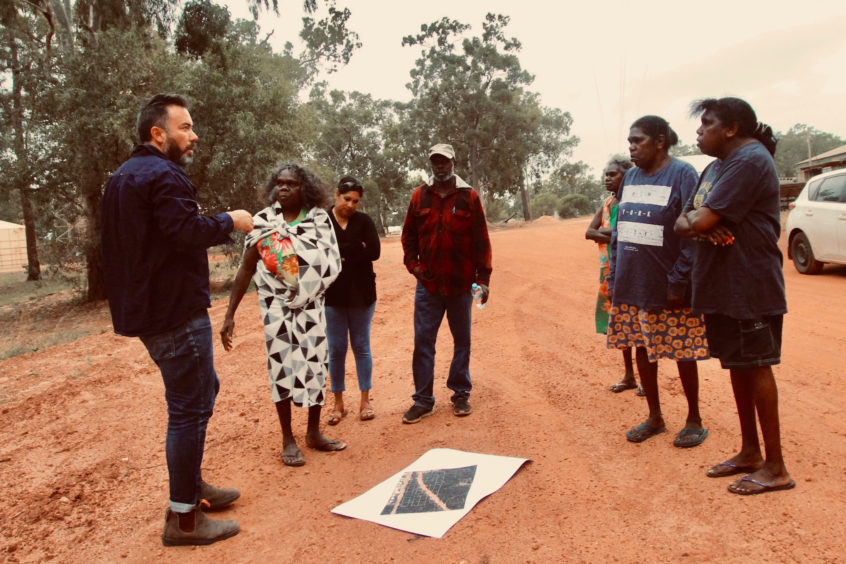
The Australian Government’s Emergency Response COVID-19 Operational Plan seeks to address some of these issues through the rapid roll-out of isolation camps across our remote communities. The Indigenous relationship between family, culture and community is complex and interwoven, and we are concerned about how this will play out when a section of the community is housed in tents.
It must also be acknowledged that not all remote communities are the same and that a singular solution will not work. Some communities are subject to cyclones, intense heat and humidity, while others experience freezing nights. Are they asking too much of tents?
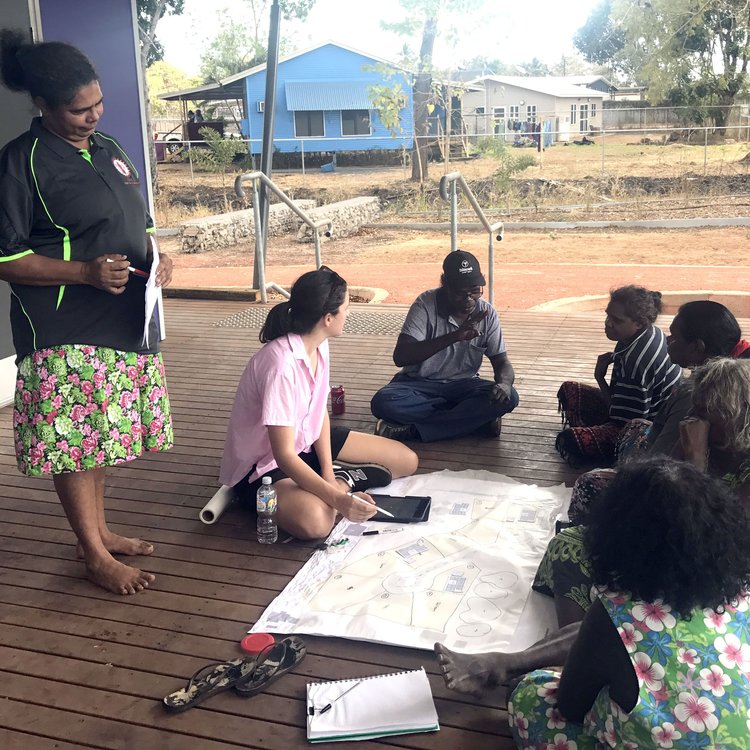
On Groote Eylandt in the Northern Territory, we worked with local housing reference groups to develop implementable, pragmatic and flexible Design Guidelines across housing, town planning and infrastructure. The projects’ success was built upon community leadership, co-design and enhanced ‘community infrastructure literacy’ allowing informed local decision making on the matters that affected them most.
Similar models must be swiftly implemented by our government agencies. Housing and health, in particular, must align processes in a way that has not yet been achieved. If we are to mitigate COVID-19 transmission in our remote Indigenous communities then any community health infrastructure planning must be place-based, adaptable and responsive to local cultural intelligence.
This requires agile thinking and the capacity to tailor approaches to the nuances of the many different communities that need our support right now. Where are the Community Health Infrastructure Design Guidelines that can make this happen?
Next Article
Renee Pettitt-Schipp on AGENCY
(View Article)