Time. Value. Money. Building.
TF.A Partner, Emma Williamson, on the value of recognising opportunity in a crisis.
There has been much written about the anticipated and actual impacts of the last three months since the COVID-crisis began. Most of this has been centred around the idea of health – first reacting to the impending collapse of our health system if the pandemic was to take hold and then moving to the health of our economy as a result of our shutdown.
Prime Minister Morrison has likened the economy to a patient in hospital, suggesting we are moving out of “ICU” with government policy working to “get us off the medication” (read: JobKeeper and JobSeeker). [1] These metaphors are direct but we risk losing some of the opportunities of this period if we make things too simplistic.
There are many other important lessons that have been learned from this unique period. We have seen time and again stories of community, connection, communication and compassion. These qualities have risen up to add richness to life and are an essential element of our society, speaking to us individually and as a collective. Like a doctor with a good bedside manner, the positive impacts of these are obvious but not easily measured.
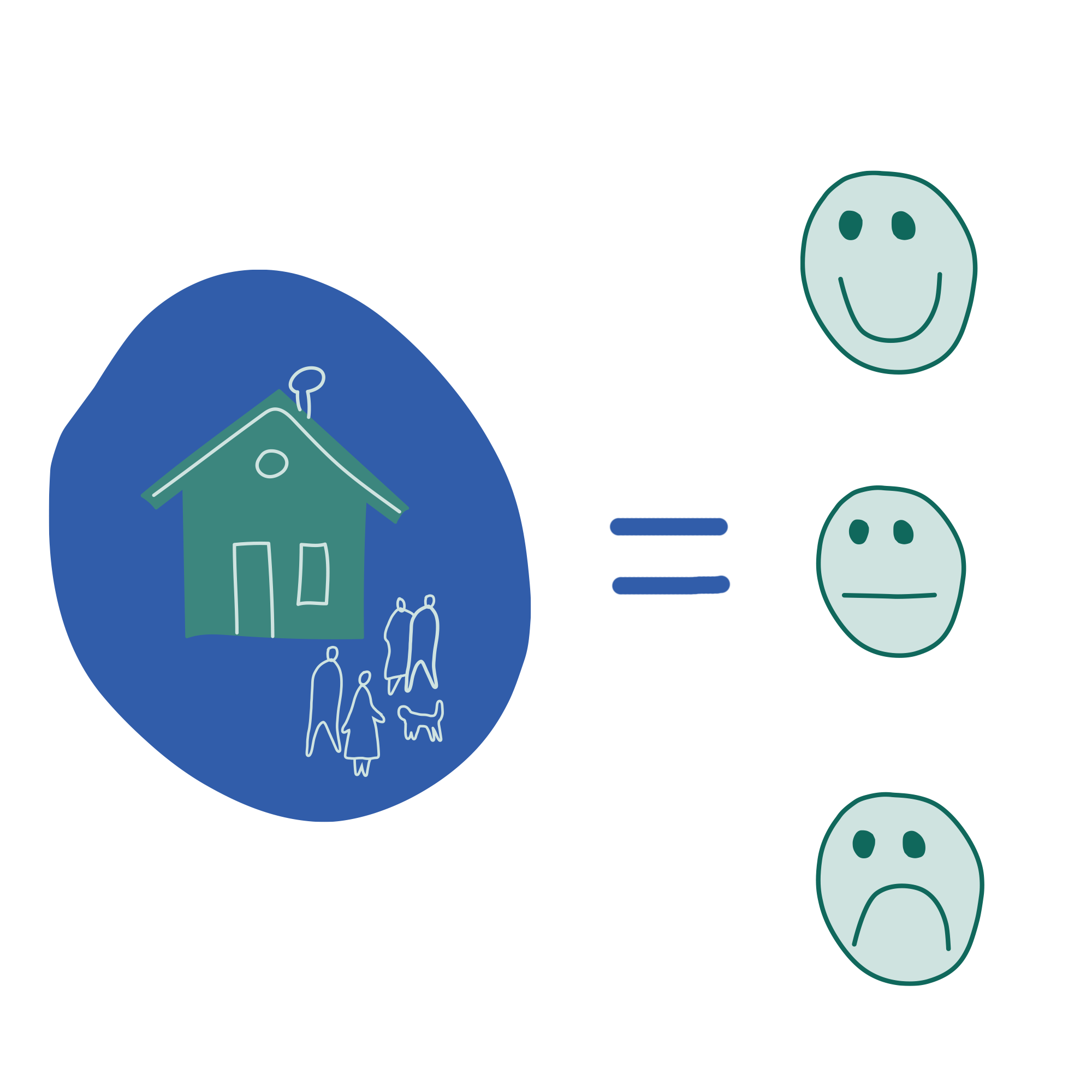
In the built environment sector, we have highly developed systems of financial and environmental accounting that enable decision makers to see the impacts of their actions. While in the service sector, determining social value has become a complementary and mainstream method for assessing projects and determining funding. We see an opportunity to adapt these methods, establishing the financial impact of social value within the built environment, enhancing the decision making process on capital works projects.
The focus of economic stimulus has quickly turned to the construction sector as a way of rapidly generating employment opportunities and “keeping the dream alive”. [2] Whereas in the previous GFC, the Building Education Revolution focused on every school in the country, this government has sought to focus on the residential market through a stimulus package for home renovators as well as larger infrastructure projects that will take many years to implement.
We need to determine the real and lasting impact of a project by including social impact alongside environmental and economic return. This crisis has created an opportunity that we should not squander by trying to get back to a Business as Usual approach. By incorporating social impact in our assessment of all projects, we have a chance to maximise impact, support local industry and create value that will last long into the future.
[1] https://www.theguardian.com/australia-news/2020/may/25/morrison-says-support-measures-are-only-temporary-medication-for-sick-economy
[2]https://www.abc.net.au/news/2020-06-01/coronavirus-scott-morrison-stimulus-construction-entertainment/12306818&utm_term=&utm_content=&utm_campaign=
Next Article
Community Health and the Promise of Democracy
(View Article)