Natural Ingredients
Extracted from ‘The Food Resources of the Aborigines of the South-West of Western Australia’, a comprehensive overview by Sara Meagher written in 1975, these words remind us how lucky we are to have shifted from a position of observation to one of participation as our understanding of First Nations culture and culinary practice has grown. Natural Ingredients was first published in Leverage, Issue 02 of our journal.
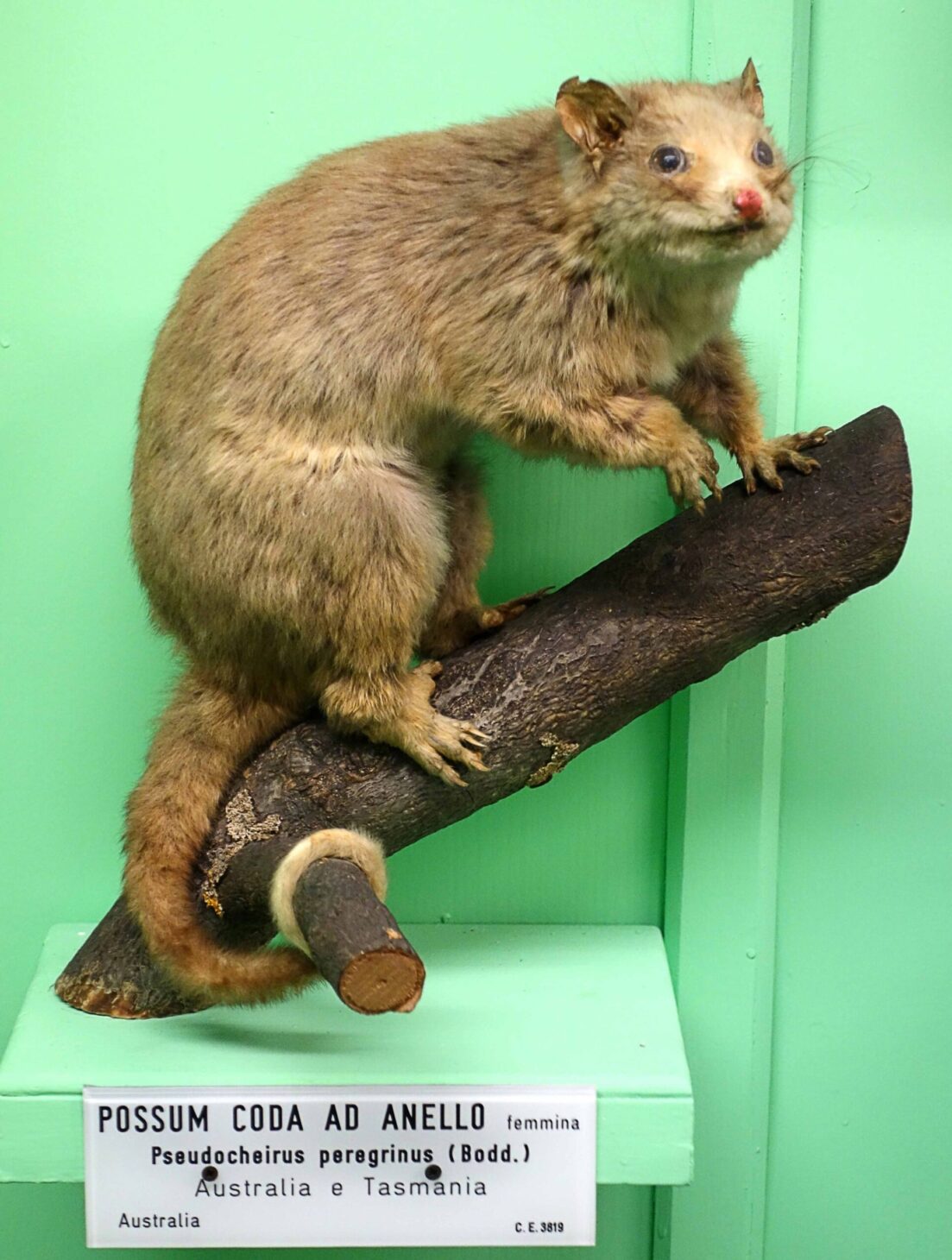
Knight (1886) states that before it was cooked, the thigh bones of the possum were invariably bent back and broken, ‘this being a superstitious observance which is never neglected.’
Possums, like most of the other smaller animals, were cooked whole. They were roasted on hot coals, or were covered with hot ashes. Before being cooked, however, the intestines were taken out, and the fur plucked off and stuffed into the stomach which was then pinned together with a stick. When the possum was cooked the fur, which had been stuffed into it, was removed and sucked to obtain the juices it had soaked up.
Birds’ eggs were taken and eaten, Nine (1831) says that: ‘at the spring time of the year, they live principally upon the eggs and young of birds, chiefly of the parrot tribe, but also of hawks, ducks, swans, pigeons, etc’.
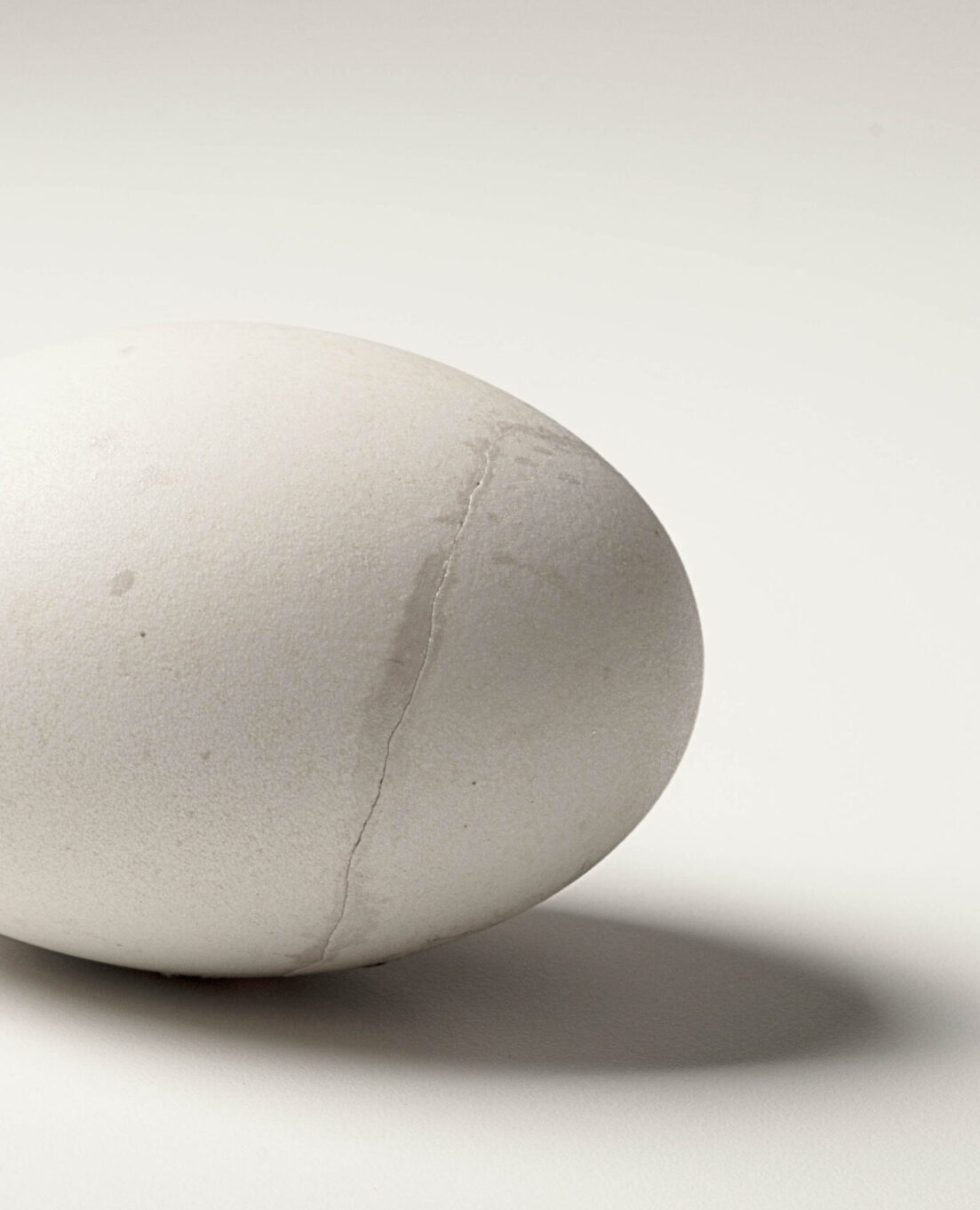
When eggs were cooked they were placed on end in moderately hot ashes. A small hole was pierced in the upper end to prevent them from bursting.
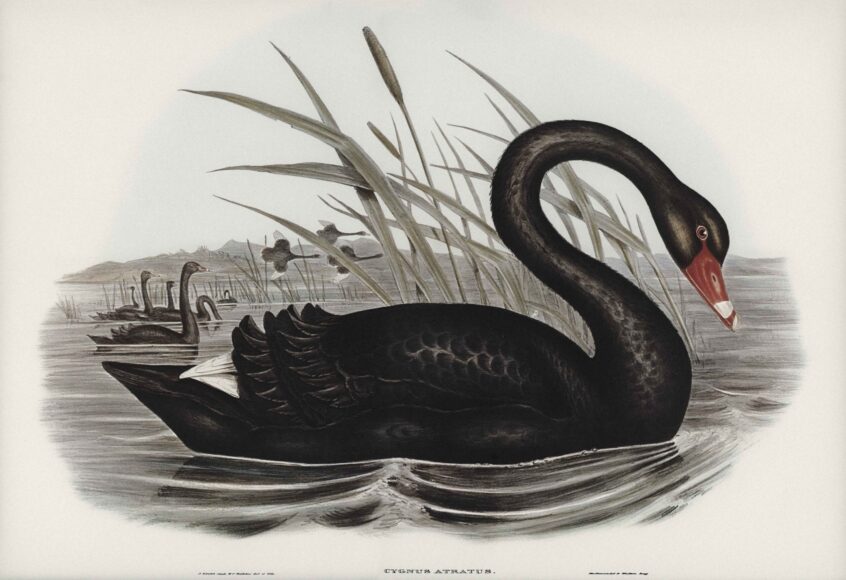
The black swan (Cygnus atratus) is abundant in the South-West and is particularly common in inlets and estuaries such as Peel Inlet, Leschenault Estuary, Augusta, Wilson Inlet, Pallinup, and Bremer Bay estuary where large flocks occur. It was easily taken by the Aborigines when it was moulting, and large numbers of both young and old birds were also taken when it was nesting.
According to my informant Doust, water fowl were cooked by first being covered with mud, placed in a hole, and then covered with ashes, where they were left for several hours. When the baked mud was cracked open the feathers came away in the mud leaving the body clean. Chauncy (1878) noted that this method of cooking large birds was also used in other parts of Australia.
Grey (1841) described how water fowl in general were either speared or caught with a noose, but, apart from the black swan, there are no references to species by name.
Hammond (1933) however, says that large birds were always cut up before being cooked. Grey (1841) says that birds were plucked before being cooked but Hammond says that the feathers were wetted and then burnt off.
Next Article
A Taste of Home
(View Article)