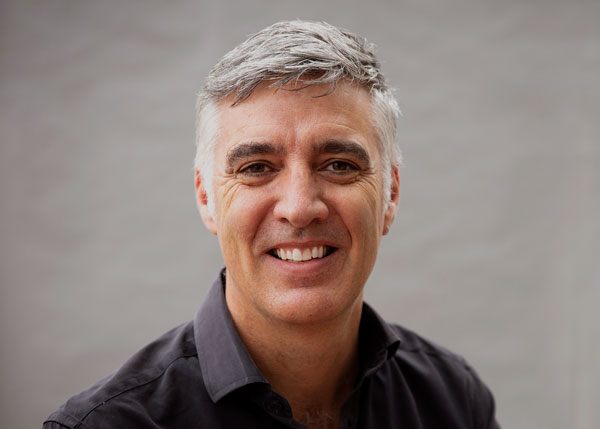
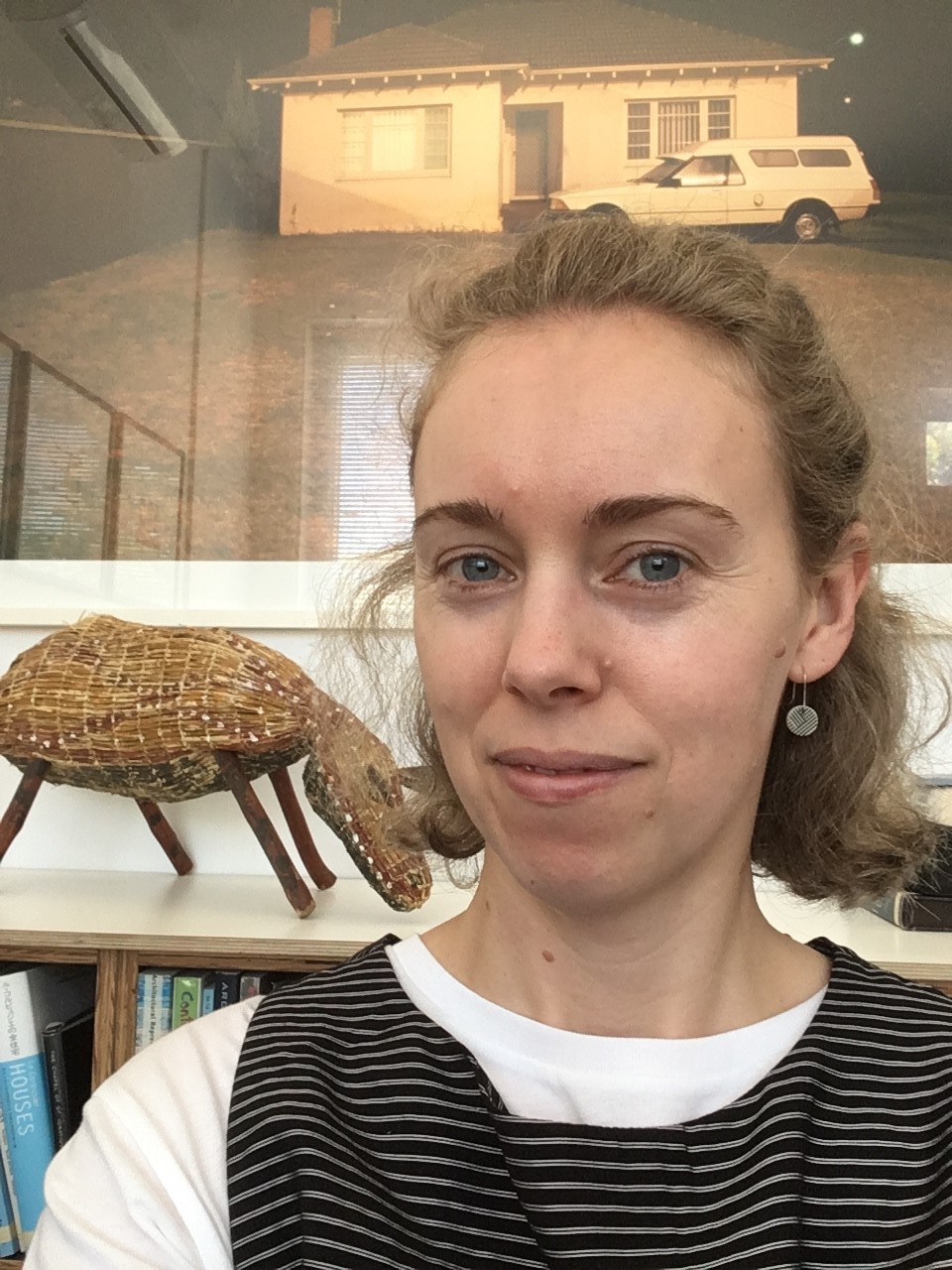
Emma and Kieran ‘On Commune’
Originally, we had thought about calling this issue “community” but Mark (Braddock) had the genius idea of reframing this to “commune” – he thought it was a little less “Freo”. His suggestion certainly blew things open and gave us a chance to think of commune, community and the connection between the two in a whole new way.
Curiously in the time since committing to “commune”, Kieran and I made the somewhat impulsive decision to buy a campground and farm with friends in beautiful Denmark on the Southern Coast of WA. This piece of paradise felt rich with opportunities to explore our shared interest in regenerative agriculture and revegetation. In the 12 months since we started this adventure, we have felt a new community forming as we opened via word of mouth and shared the space with new friends.
Coming from Fremantle the word commune has strong connotations and connections to the colourful recent history of the Rajneesh taking residence in our port city in the 1980’s. This movement and philosophy pulled many middle aged and middle-class men and women into its orbit, out of the Western suburbs and into Fremantle in their orange clothing.
At its best a commune is a place and form of deep connection amongst people. At its worst it can be seen as a cult with power imbalances, manipulation, corruption and intrigue. In this issue, we (sometimes inadvertently) explore both side of the coin.
And there is also the consideration of commune as a verb – to commune with nature – to listen closely and intently to the world around.
I think of commune as an intentional community and an intentional activity. How lucky we are if we have the capacity to author this type of intention! This is something we have worked hard to do at The Fulcrum Agency. Gifted with the rare opportunity to start afresh, we thought hard about the communities we wanted to be part of and the communities we want to serve.
We continue to learn so much from Indigenous communities about this Country and the importance of reciprocal relationships between land and people. This has opened our eyes to the cultural customs and practices that are sadly missing from our own communities, where the balance between individualism and community is too often tested.
Oh – and did I mention – we bought a campground?! A place where we can commune with nature, practice a bit of commune living and build a community. Follow us @newfarmdenmark . Maybe you will come and visit some time!
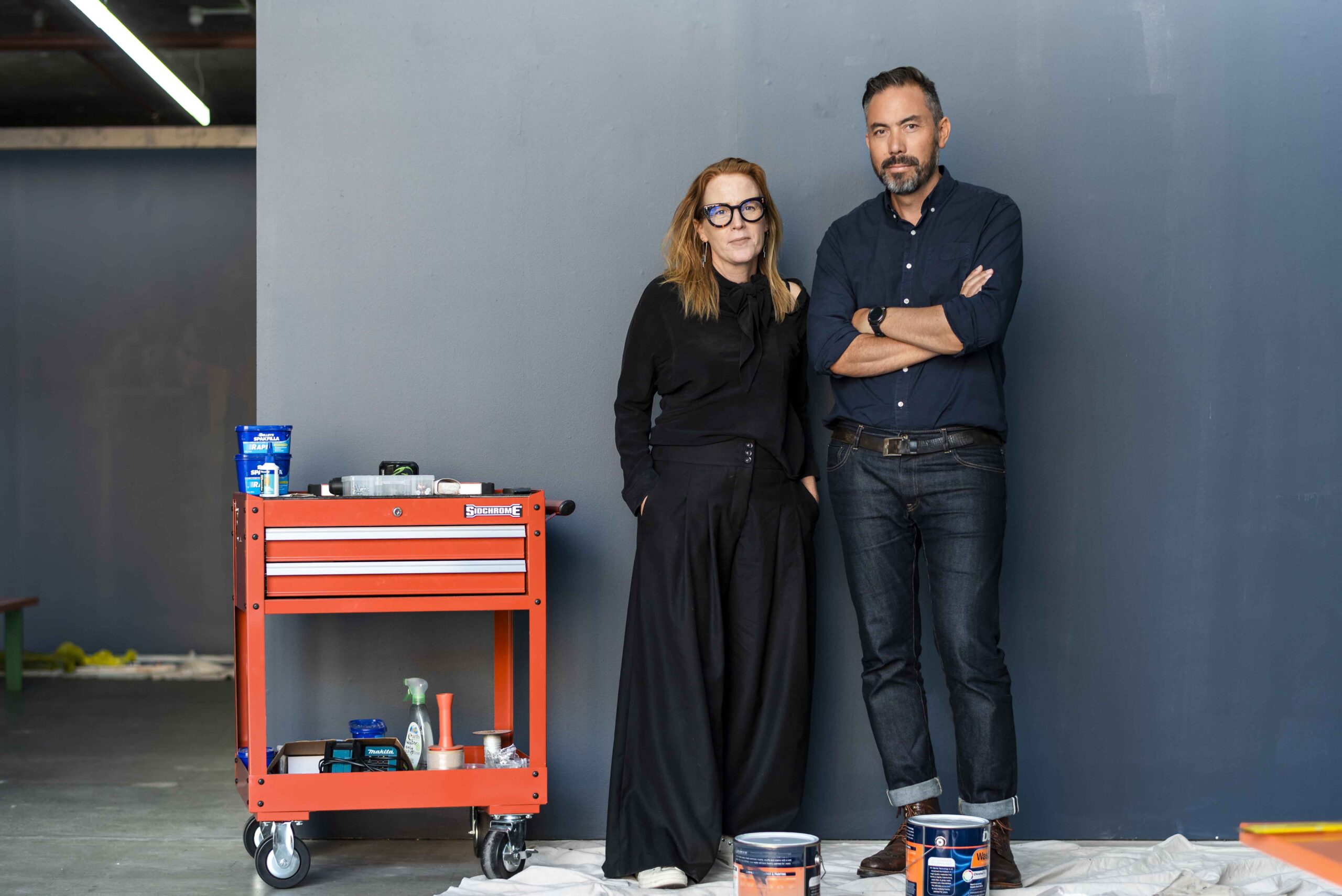
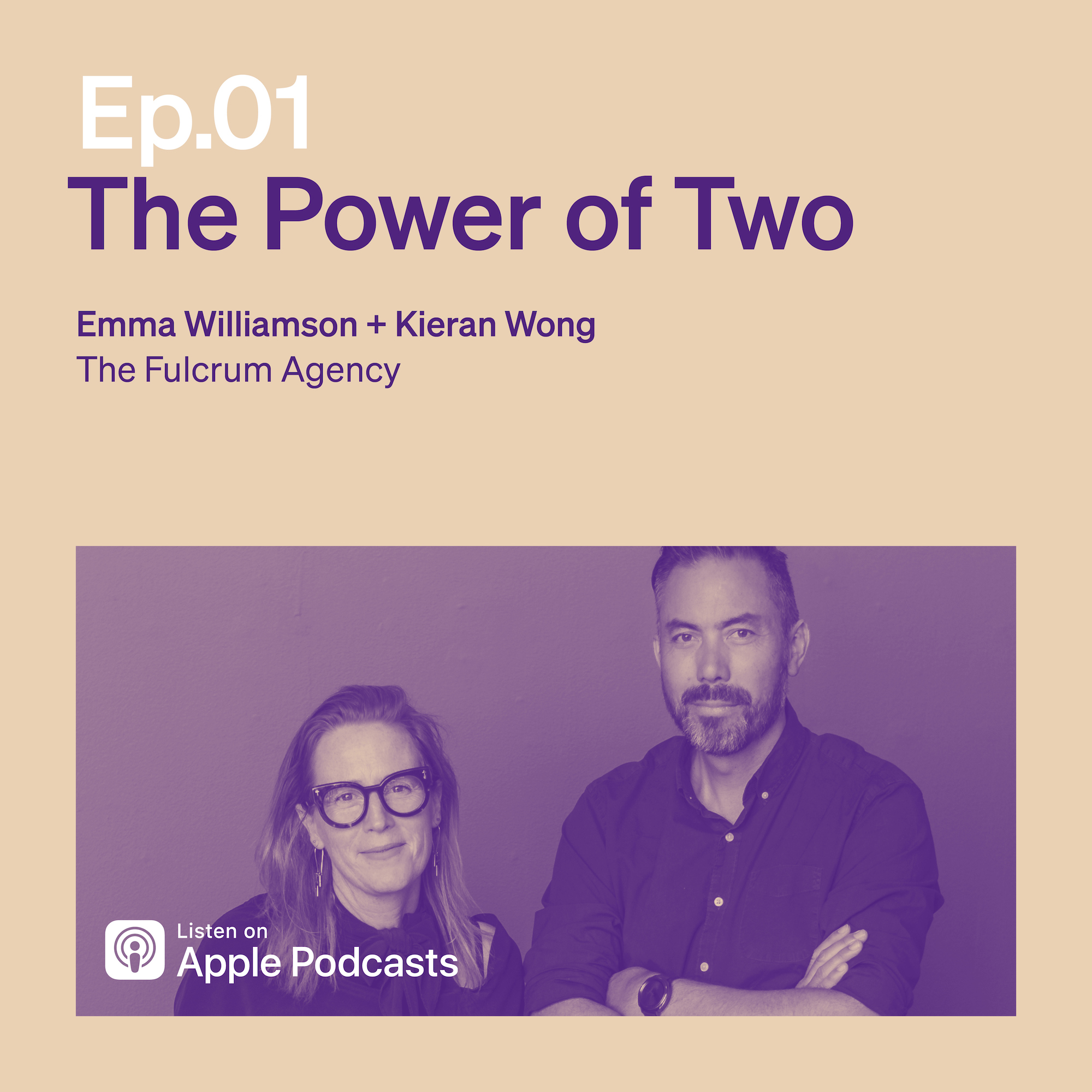
* Emma Williamson and Kieran Wong are the Co-Founders and Partners at TheFulcrum.Agency. Commune is Issue 03 of our journal.
Next Article
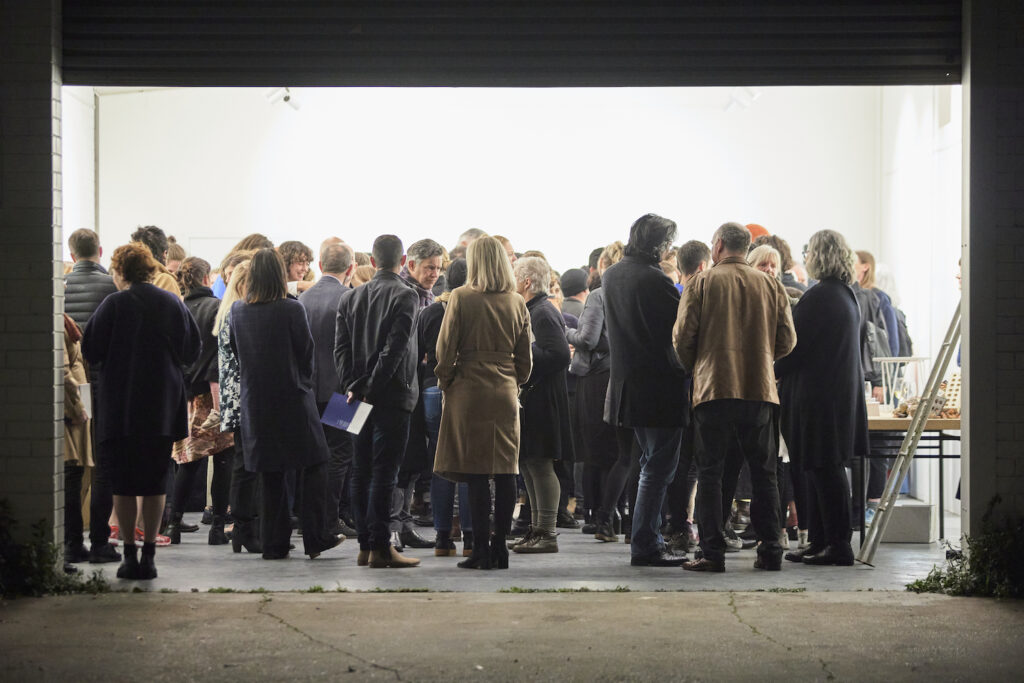
Commune Launch at the Sometimes Gallery
(View Article)