Home Grounding
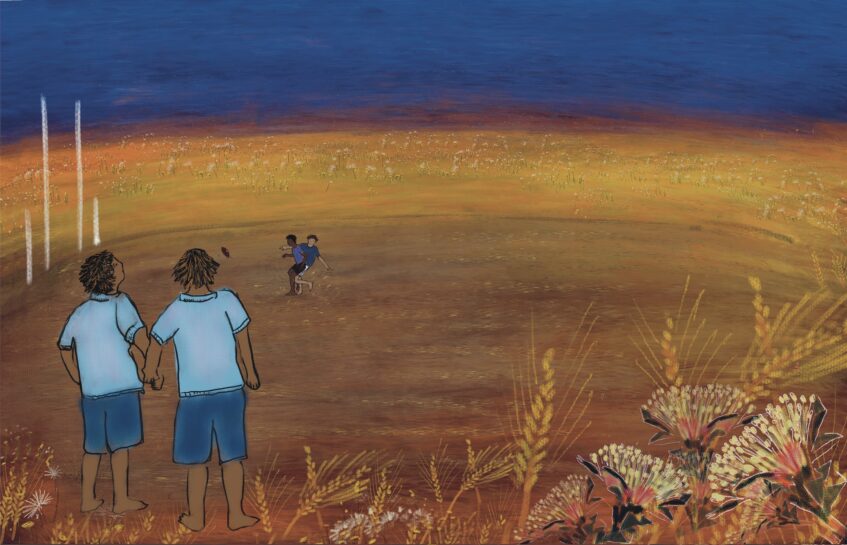
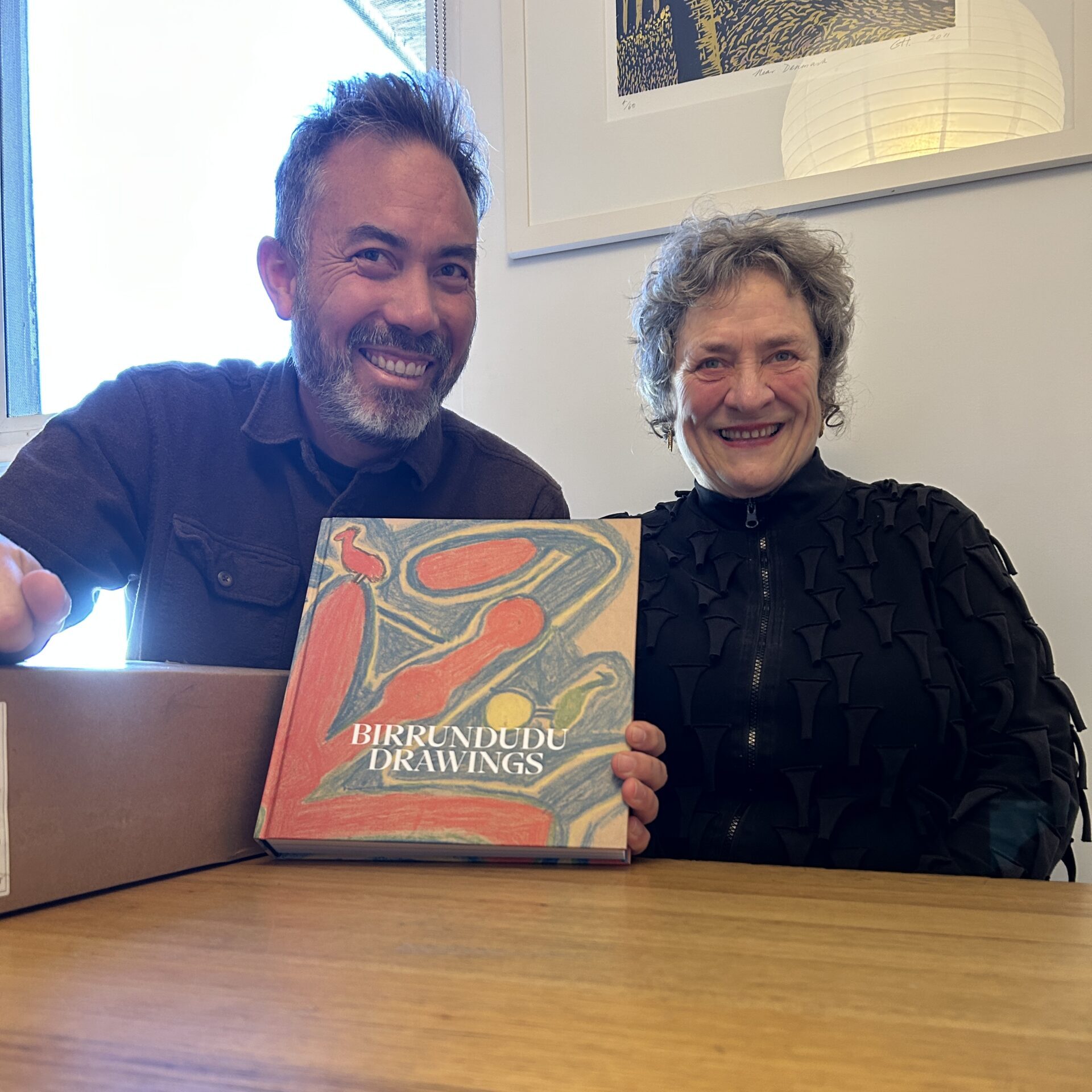
As a gay Aboriginal-Italian kid growing up in a small Western Australian Wheatbelt town, it’s not easy to find your community. As part of Commune, issue 04 of our journal , entrepreneur Gerard Matera chats to Meri Fatin* about how self-acceptance was the spark he needed to create businesses with social good at their heart.
Meri Fatin [00:00:27]
How do you introduce yourself when you when you meet someone for the first time?
Gerard Matera [00:00:48]
I tell them that I’m very proud to be Noongar and then I tell them a little bit about my journey. More recently, I let them know that I’m part of the LGBTQI community too.
Meri Fatin [00:01:28]
Why does it matter for you that they know?
Gerard Matera [00:01:33]
I think it has to do with my age to be honest. What I’ve found is the more open and transparent I am with myself – for many, many years, I didn’t know who I was – the more success I have, the deeper friendships I get, and the more my business succeeds.
Meri Fatin [00:02:10]
You’re the youngest of eight children. How has being in that position in the family impacted you?
Gerard Matera [00:02:30]
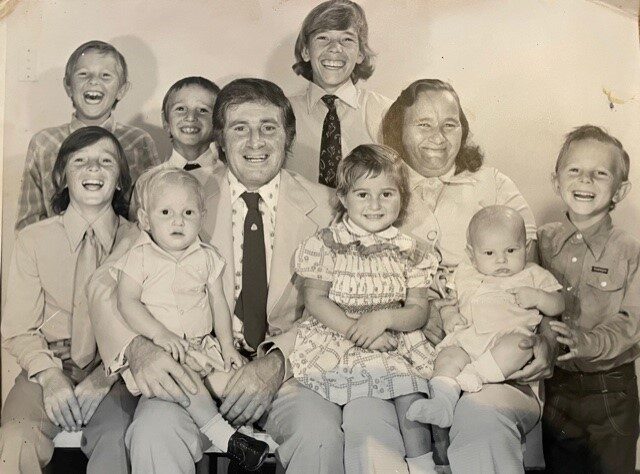
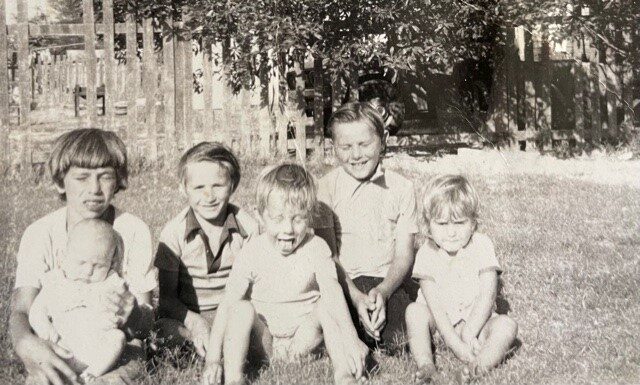
I’m one of seven boys and one sister. As the youngest, I became very close to my mum because my dad had to work seven days a week, in two jobs, to put food on the table. I was in the kitchen a lot. I had this passion to be a chef from a very young age. I always enjoyed bringing people together with a full table.
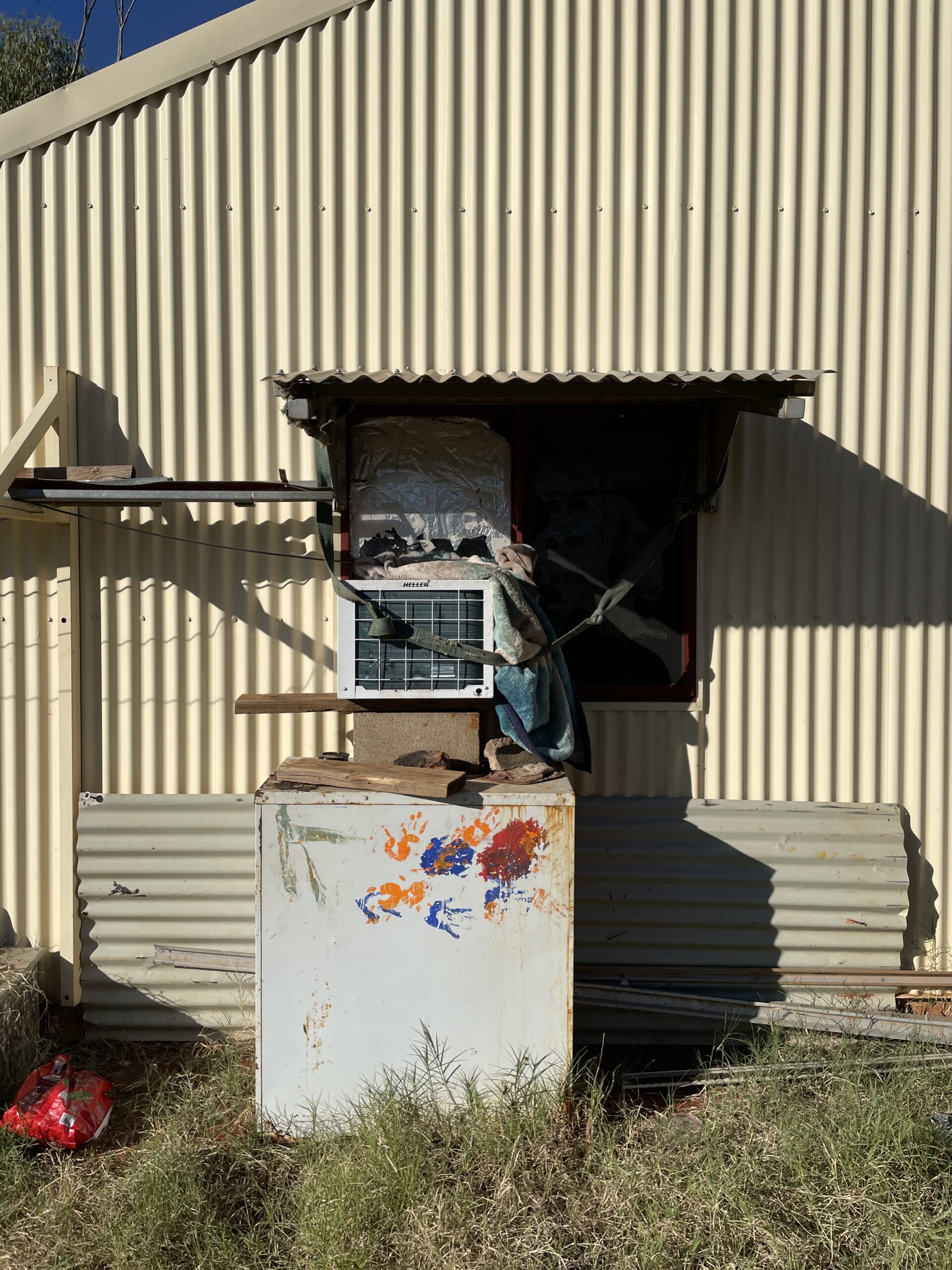
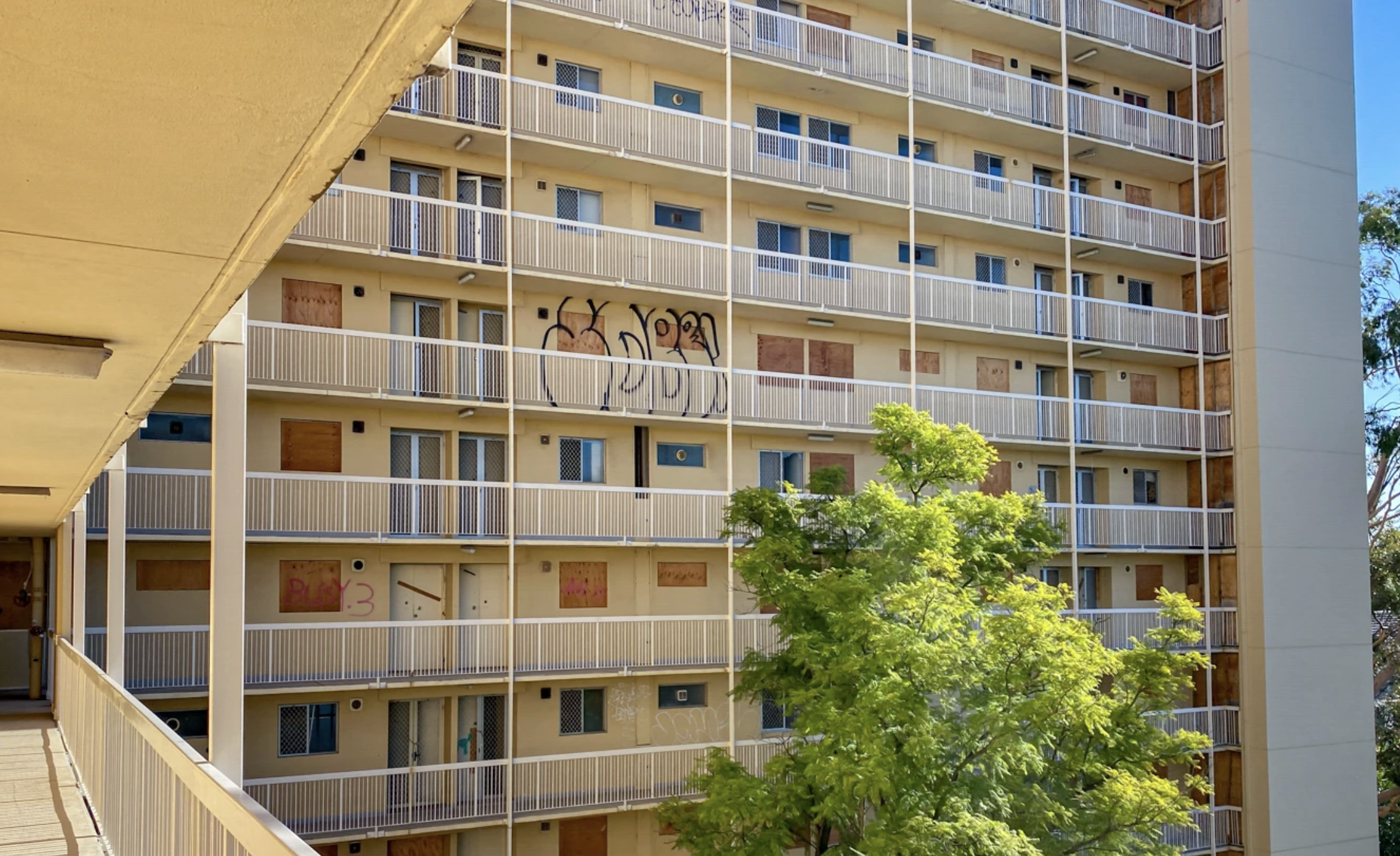
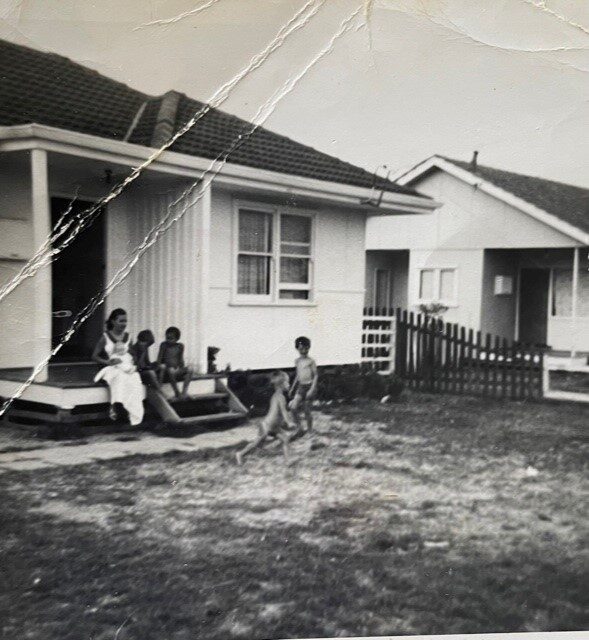
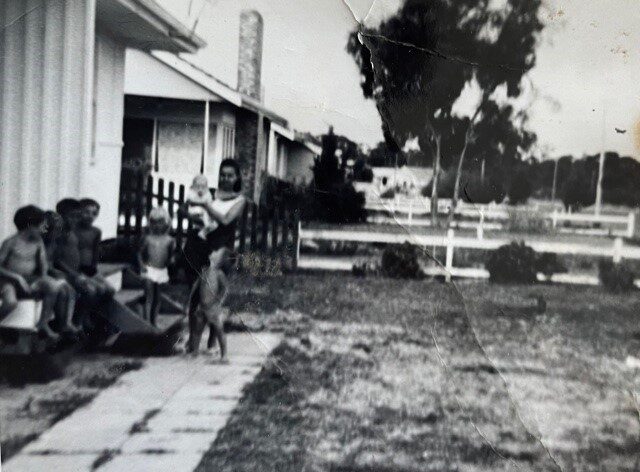
I grew up in a really small country town called Wagin, about three hours southeast of Perth, with an Italian father and an Aboriginal mother. As I was growing up, I didn’t really understand why these two people came together, particularly with what was playing out. Wagin was built in an era where Aboriginals lived on one side of town and white people lived on the other. Mum and dad didn’t have a lot of money and we were raised in state housing. When you come from a place of not having a lot, then it’s really about the love, the relationships.
I think I was 10 years old when my mum took me to the doctors because I wasn’t playing football or any sports. I had quite a close relationship with the doctor back in Wagin and he said, “just take him and force him to play”. And she did – I started playing basketball and football and I actually enjoyed it. But I didn’t really see myself… being gay and also Aboriginal – it was very difficult for me to see myself anywhere. Yeah. So that’s kind of, you know, the reason why I was quite isolated in the beginning.
Meri Fatin [00:06:15]
It’s amazing when you think about how for the Matera family, not wanting to play footy was almost a pathology. What was the broader social picture that you grew up in?
Gerard Matera [00:06:58]
Wagin was a very dysfunctional town. We lived with a reserve at the back of our house and most weekends a lot of Aboriginal families would be fighting, fuelled by alcohol and drugs, and there was lots of unemployment. As I got a little bit older, I definitely saw the divide. I don’t know if someone in the planning department thought, oh, let’s put all the blackies over here and then put all the white fellas over here. Funnily enough, you know, 50-plus years later, Mum and Dad are still in that house.
Meri Fatin [00:08:45]
When we started you said that you introduce yourself as a Noongar man. Where is the bit of you that identifies with your Italian heritage?
Gerard Matera [00:08:58]
Yeah, I think through food. When we were growing up Mum would cook a lot. But Dad would make pizzas and pasta and all that sort of stuff and a lot of bread. And still today, you know, if you’re heading to Wagin on the weekend, he’ll make sure there’s pizza and some bread that he’s made to give you. I think the Italian heritage has always been about the vino, the fruit and veg, living off the garden.
We came from a place of not having a lot of money and so Dad was very vocal about eating from the garden, you know, making sure there’s chooks that gave us eggs. He tried to be quite self-sufficient in that sense. We always had rows and rows and rows of fruit and veggies in the backyard. And Mum would probably get yelled at if she went to the shops and bought apples. When I went to Italy for the very first time in my late 20s, it was very similar. I actually thought that I was going to see a wealthy side of the family. I pictured Italy being this the most amazing country and my family to be living in these estates with vineyards and all that sort of stuff. It just wasn’t the case. My Italian family weren’t wealthy either. So, when I saw the Italian part, I realised that the Aboriginal part is actually very similar when you’re talking about culture, food and bringing people together.
Meri Fatin [00:10:28]
Before we move away from your earliest years, I want to ask you, when were you first able to articulate to yourself that you were gay? Tell me a bit about that side of what was going on for you.
Gerard Matera [00:10:45]
Yeah, I think early teens to my early 20s. I definitely knew that I was gay, but obviously with the laws and restrictions and also growing up in a family environment that was very footy-focussed and very masculine, I didn’t ever feel comfortable.
Meri Fatin [00:11:10]
So, what did you know about what it was to be gay, that stopped you from telling anybody at that time? What was your sense?
Gerard Matera [00:11:18]
Yeah, I was seeking love and affection but being in Wagin, I didn’t find that in anyone. I didn’t see the LGBTQI community anywhere in Wagin. That’s why I think it took me a very long time to realise that I was gay, because I didn’t really feel comfortable and didn’t see other people that were similar until I was probably late teens, early 20s.
Meri Fatin [00:11:54]
So, does that mean that you knew that there was something not quite right but you couldn’t tell what it was?
Gerard Matera [00:11:59]
Yeah, most definitely. I knew that there was something going on and I knew quite clearly that I couldn’t talk about it and I had to hide it from everybody.
Meri Fatin [00:12:14]
So, before we leave Wagin, I’m interested in the impact on you of being part of a footy family and the expectation placed on you. The impact that football had on the Matera family.
Gerard Matera [00:12:28]
Yeah. Look, don’t get me wrong, I’m very happy that my brothers found success through football. But for me, what played out was finding myself getting more and more depressed and struggling with anxiety because I just couldn’t be myself. I couldn’t talk about myself. I couldn’t, you know, say to my mum or my family, hey, I’ve fallen in love or this is who I am. It was never that environment. And even going to a football game whilst my brothers were playing AFL, even being invited down to the bar that the players’ families go to after a game; everyone’s got a girlfriend, everyone’s got a partner. I didn’t see an LGBTQI person anywhere.
While my brother was playing, particularly in 1992, the memory is quite prominent because I was in my late teens and I was kind of just realising… I lived a lie for so long, telling my brothers that I had girlfriends, dating girls for years just to fit in and, you know, lying to everybody about that. It did not make me feel very good.
Meri Fatin [00:14:16]
Was it about protecting the public reputation of the family?
Gerard Matera [00:14:24]
Yeah, yeah. Most certainly. I think twenty plus years ago when my brothers were playing footy I don’t think they would have been comfortable with me rocking up with a boyfriend to the members bar at the AFL. Certainly not.
Meri Fatin [00:14:58]
It’s important to remember how recently that that was the case.
Gerard Matera [00:15:04]
Yes, but I want to make this point. My mother also was treated in a very similar way. For many, many years, my mum was never properly accepted in Wagin. I feel that no one really embraced her up until my brother won the Norm Smith Medal in 1992, when they changed the street name to Matera Street and they changed the football oval to Matera Oval. They had a banner that stretched across the main street welcoming my brother as the Norm Smith medallist of Wagin and then gave mum and dad the key to the town… so when your successful, football rallies behind people with differences.
I think if you subtracted the whole AFL thing, I don’t think Mum ever would have been celebrated in such a way.
When Peter won that Norm Smith medal in ’92, Channels Seven and Ten rocked up at my mum and dad’s house wanting to interview them, but before that, you know; no way. So, the point I want to make is that it’s hard to see your mother vilified for her race and her not feeling very comfortable with who she is. You know, my mum never went to an AFL game. She went to South Fremantle in the early days when Phil and Pete and Wally were playing because I think a lot of Noongars were hanging out back then and my aunties and extended family were there. But I don’t think Mum was ever really comfortable going to an AFL game.
And so in the early days, I was very reluctant to tell anyone that I was Aboriginal, particularly after moving to Perth and being a young Aboriginal boy looking for employment. I was always involved in conversations that were very, very negative about Aboriginal people. And then when you let them know that you’re Aboriginal, the conversation kind of changes. So, I had two fronts. I was reluctant about telling people that I was Aboriginal but I wasn’t telling people that I was part of the LGBTQI community either.
Meri Fatin [00:18:04]
I want to get onto the racism directly. But first I want to ask you about leaving Wagin. Where did you go and what did you do next?
Gerard Matera [00:18:21]
When I was about 16, I said to my mum that I want to become a chef. I came to Perth hunting for an apprenticeship and I ended up getting one at Radisson Observation City, which was then a five-star hotel. I worked there for all of my apprenticeship and I did some really cool things, like you know, hosted an array of different people, cooked for Elle MacPherson. I still have that passion today, I’m still in the food industry, but not cooking commercially anymore. I worked in hospitality for a very long time and then I moved into the government space and worked for the apprenticeship board for many years, overseeing apprenticeships and the traineeship sector. And again, I didn’t see a lot of Aboriginal people working there and LGBTQI people just didn’t really exist.
Meri Fatin [00:22:35]
So how did you end up having multiple businesses all creating opportunity and overcoming obstacles for Aboriginal people?
Gerard Matera [00:22:46]
It’s funny. Working for government, I realised that the energy level is quite vanilla, and no one is out there campaigning unless you’re a politician. So for most of Government it’s about what you can and can’t do. I was always striving to do something bigger. When you grow up in a family that has nothing except love and food in the backyard, and sometimes going without lunch because there’s no food in the cupboard… I knew that I didn’t want to struggle like that.
I wanted a life that was an abundance of experiences and drive and I wanted to be self-sufficient and I wanted to have enough money to do the things that I want to do. I’m not interested in having billions of dollars just sitting in the bank, I’d rather just have a life full of experiences and things.
I wanted a life that was an abundance of experiences…
So many years ago, pre-2010, I started to strategize. I wanted to start a business that was based around giving back. My first business was a company called EON, which stands for Empowering Our Nation. I designed a business that was really about social change – from the name, the purpose, the vision, the values. It was built around giving back to people that might not see opportunity for themselves. EON was founded to try to lower incarceration rates for people. I was quite big on understanding the landscape in all these different business sectors, particularly for Aboriginal people. Security is an industry where government and the private sector spend billions of dollars per year but when you go to a shopping centre or a bank and there’s a security guard standing at the front, it’s not an Aboriginal person. That needed to change.
So today we’ve got some huge contracts. BP Kwinana, we’re looking at KATAGIRI out in Kalgoorlie. We’ve done some work with Woodside, with Wilson, an array of government contracts and our employment of Aboriginal people in that business is about 40 percent. I’m trying to make it the norm that when there’s a building being secured the person standing at the front is Aboriginal. And it’s not like, “Oh, my God, there’s an Aboriginal security guard!”. It is the same for all the businesses. Now I’ve got a security business, I’ve got a construction business, I have a food business and an energy business. They’re all built around looking at where Aboriginal people aren’t succeeding. So, education, housing, providing energy for themselves out in communities, incarceration rates – all those things.
When I launched Marawar (Building and Civil Services), there were 40,000 apprentices and trainees in the state of WA and less than 100 of them were Aboriginal.
You look at the billions of dollars that is spent by government and also by the private sector and that’s the bang for buck we get? Less than 100 Aboriginal apprentices in the whole state. So I wanted to address this and start a building business that looked at employing Aboriginal people. I want it to be the biggest Aboriginal building company in WA.
Even in the food business you don’t see an Aboriginal person serving you when you’re in a café. There’s not an Aboriginal barista. It’s just not commonplace. As I found out when I was young, you’ve really got to see yourself in normal places, in normal positions. It shouldn’t be “Oh, my God, will I be accepted?” Because that’s the landscape we’re dealing with. So, all the businesses are driven with the same purpose, same values – how do we get more Aboriginal people in these jobs so that it becomes the norm?
Meri Fatin [00:27:38]
That classic saying “You can’t be what you can’t see”. What interests me about you in this enormous landscape that you’re creating is that you’re the interface in a lot of racist conversations, fronting up to blunt prejudice. You’re that person. You are that guy every single time. So how do you brace yourself and deal with that stuff so that you stay safe?
Gerard Matera [00:28:12]
Yeah, If I was to go back 10 years, I don’t think I would have been ready to be the face of a business and be openly out and also be telling people that I’m Aboriginal just because of the backlash. I don’t want to give the illusion that it is easy being an Aboriginal business because it isn’t, and it isn’t easy being part of the LGBTQI community and Aboriginal. I’ve had some shocking conversations with corporates about them wanting to have diversity and inclusion in their business, but they really go about it in a clumsy and inauthentic way.
It just becomes so much easier when you are authentic, and you don’t hide. Hiding yourself from the world is a horrible thing to do. And when I look at my family, my brothers and colleagues, no one’s hiding themselves – no one. They’re able to hold hands in public, get married and do all those things. So I think that I’ve got this resilience now but it’s taken time. I don’t think 15 years ago I could have stood up and said who I am. But now I realize that corporates and government need to do better in a sense that if you want to have an honest conversation about diversity and inclusion, we need to have a different dialog. Because rainbow ticks and black cladding and all those things where Aboriginal people and LGBTQI people are being used to paint a certain facade, that definitely needs change.
Meri Fatin [00:30:35]
Yeah, it sounds when you talk about it now, like you are squarely standing on two feet full-frontally facing this thing and ready to challenge that topic.
Gerard Matera [00:30:49]
I think when you become successful in business, people do want to have a different conversation with you. But when you’re an employee or someone at a different level, no one wants to sit down and find out who you are and how you are doing what you’re doing. And many, many people now say to me, how the hell do you do all the stuff that you do? Sit on all these boards and run all these businesses. It hasn’t been easy. I’m out in public doing all the things that I’m quite passionate about, so that people understand what we’re doing so I can potentially get more opportunities to employ more people. That’s the ultimate game.
Meri Fatin [00:32:23]
Yes. So, you’re establishing yourself on behalf of all the people that you’re creating opportunity for and overcoming obstacles for…
Gerard Matera [00:32:30]
Yeah. I mean, I’ve got a trans woman at the moment working for me as a painter. And, you know, I’ve had conversations with her about being so happy and excited and thankful that she’s in an organisation that embraces her for who she is. And we’re here for her journey. When that kind of stuff plays out and we become an organisation where people are seeking me out for employment because they can see what we’re doing, that makes you feel good, that really cements that we are doing the right thing. The businesses are doing what they’re supposed to be doing. When I set the businesses up and I had that whole thing about empowering our nation, you know, it wasn’t just a silly dream. It really has come to fruition. And, unless you’ve got a business, no one will really understand what it takes. The hours and the commitment and the sleepless nights and the stress and all those things. But it does get easier. It’s all about critical mass. As the businesses grow, it does get a little bit easier.
Gerard Matera [00:40:09]
One of the things that I came into Pride WA saying was that we need to make organisations more accountable for using Pride in a way that ticks a box or makes them look good. An example is a corporate would get in contact with Pride to say, “hey, can we be a part of your parade?” And, you know, they donate some money and they run their staff through the parade. And then after the parade is finished, we get crickets. We don’t hear from them again until next year when they might want to participate, or we don’t see them again at all. We couldn’t run the parade in 2020, so we used that time to work out how we could pivot Pride WA to be the organisation it should be. Moving forward, we are going to be having a conversation with corporates and government about how they can participate and partner with Pride more meaningfully, more inclusively, all year round, and not just for one day of the calendar year.
Meri Fatin [00:44:27]
Yeah, yeah. It’s obvious you’ve got a really strong hypocrisy-radar, right back from your parents being given the keys to Wagin in the footy years.
Gerard Matera [00:44:38]
Yeah. This story was the nail in the coffin. I went to speak to someone at a national organisation many years ago about a catering opportunity for my business. And the organisation said to me “no, no, we can’t be using an Aboriginal business because we have in the past and it didn’t work.” Apparently, they were holding an executive lunch and the Aboriginal business rocked up and provided sausage rolls and Twisties. All of a sudden, I’m sitting there and I’m like, oh, my God, here’s a guy who thinks that all Aboriginal people are the same, that we’re all useless, and now we’re not going to be given the opportunity. I basically begged him, I talked about my cheffing background, having a food business and our clients. We got the opportunity and this organisation now uses us for all their events year round. I think that’s what it’s about – having uncomfortable conversations with people about making a bit of a change and being authentic, you know.
Meri Fatin [00:46:29]
Over the last year or two especially, you’re in a space with PrideWA where your sexuality is completely the norm, and broadly in your work, your Aboriginality is fundamental to the success of your work. A lot more comfortable to be what you are, and who you are. How has that impacted your health?
Gerard Matera [00:47:18]
Look, I think being the first Aboriginal person to be elected to Pride WA says a lot about that organisation and about being accepted. But I have to say, I was in a really dark place for a very long time – probably a decade. I was depressed, I had anxiety, all those things set in.
It’s hard to explain when people really don’t understand what it feels like not to see yourself anywhere.
My immediate family haven’t always embraced it without difficult conversations. I got out of that dark place through a conversation with my brother about, you know, no one’s coming to save me (you said no one is going to save you or he said no one is going to save you?). No one’s coming to help you. You need to get off your ass and do it yourself. The Aboriginal landscape and the LGBTQI landscape are very, very similar. The biggest eye-opener for me joining Pride is nothing has really changed. Yes sure, we’ve got an organisation. Yes, we’ve got a Pride flag and we’ve got a group that campaigns. But when you really go out into the community, it’s still dysfunctional, it’s still segregated. There are still young kids that need help, that need workplaces and government to make sure that they’re safe.
Meri Fatin [00:51:20]
Have you thought about what would satisfy you in terms of what you achieve through your work?
Gerard Matera [00:51:37]
If we’re talking about the LGBTQI-rights space, what I would love to do is leave a legacy of a hub in Perth that doesn’t exist right now. A place where kids could feel safe and where young LGBTQI entrepreneurs could come and get business coaching and just really get that sector flourishing and get more corporates involved and not the rainbow ticking that’s going on.
In the last couple of years, I’ve been approached by corporates that are seeing some of the cool stuff we’re doing and reaching out about their diversity and inclusion strategy. That says to me that I’m on the right path.
Meri Fatin [00:52:20]
It’s going to be very interesting to see how Perth is increasingly impacted by your leadership and your steadying hand around this. Thank you so much for talking with me.
Gerard Matera [00:53:43]
OK, thank you so much.
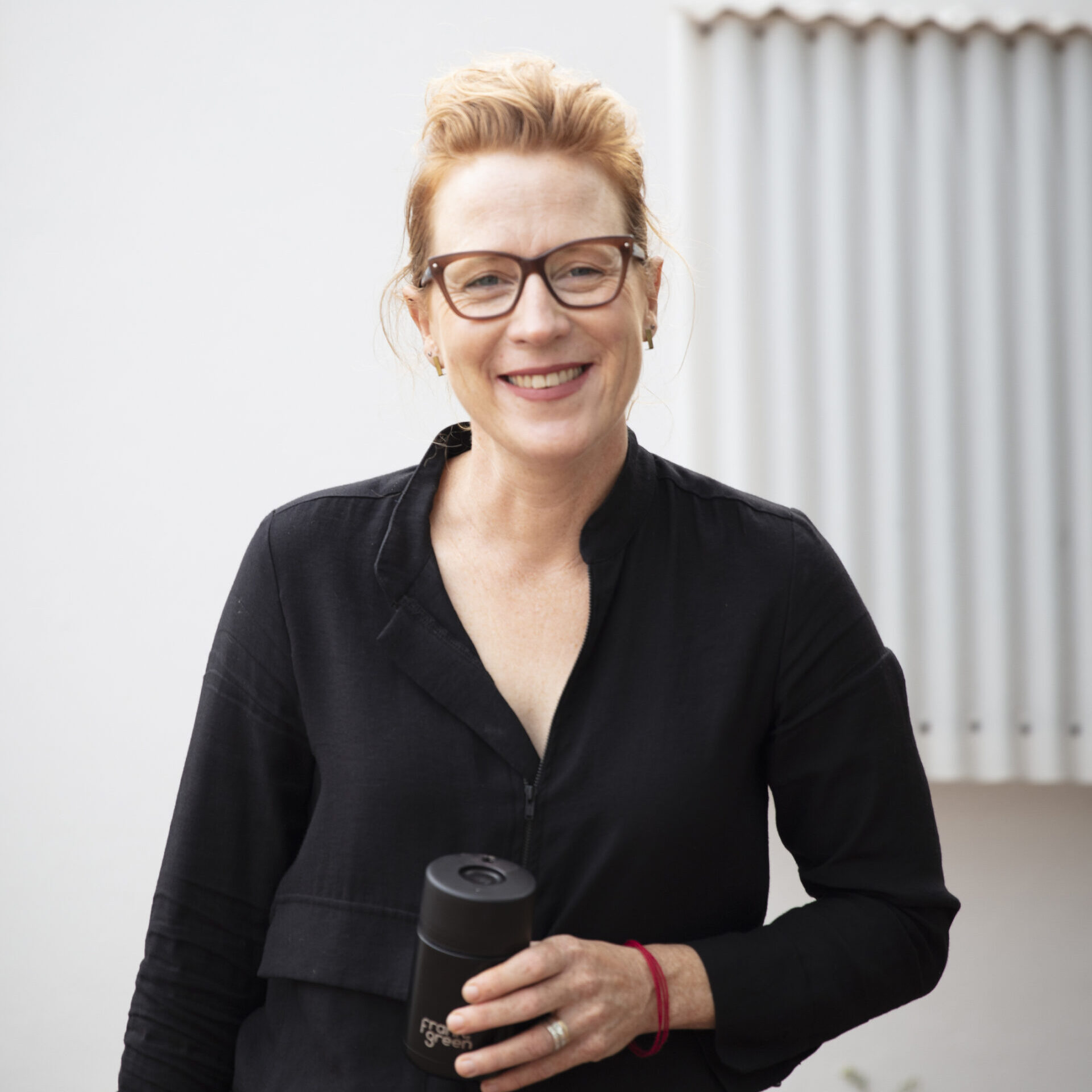
*Journalist Meri Fatin conducts the main interview in each edition of our journal, and always astounds us with her thoughtful, intelligent and kind approach to these conversations. Copies of Commune can be purchased at The Fulcrum Press , with all proceeds going to projects within First Nations communities.
Next Article

Season’s Greetings!
(View Article)