Martu people set out new vision for climate-appropriate housing and community infrastructure
The National Indigenous Times has published an opinion piece by TFA’s Kieran Wong and Jamukurnu-Yapalikurnu Aboriginal Corporation’s Tony McRae on the critical work we have been doing to secure a safe, healthy and prosperous future for Martu communities in the Western Desert. Martu people know what is needed to build a successful life and now it’s time for government to listen to their plan.
Martu people living in remote communities in the Western Desert have set out a new vision for climate-appropriate housing and community infrastructure.
Climate change doesn’t affect every part of Australia equally. Remote communities suffer more extreme heat and storms than anywhere else.
As rising temperatures put even more stress on remote communities, extreme weather will force people out of homes that are too hot, leading to overcrowding when other family members take them in.
Having languished in poor and increasingly overheated housing, Martu are taking matters into their own hands. Working with their land council, Jamukurnu-Yapalikurnu Aboriginal Corporation (JYAC), have developed their own plans for housing and community infrastructure.
The Martu Community Co-Design Process – a partnership between Martu, JYAC and The Fulcrum Agency funded by the WA Government – determined a realistic plan for sustainable, culturally appropriate housing that will accommodate future growth.
Communities talked for several years about their histories and ambitions for the future, and the result is a holistic review of the three on-country Martu communities of Parnngurr, Punmu and Kunawarritji.
This process kept Martu people at the centre of all design and decision-making, and provided an exchange of knowledge between the community and technical experts. At all times, the process is guided by the spirit of ngurra (country).
The co-design process allowed the community to lead. When we have the opportunity for ownership, we take it by the hand and nurture it. Communities need to get to a state where they are liveable and where families can grow. That’s the most important thing.
– Terrance Jack, JYAC Heritage & Communities Coordinator
The co-design process allowed the community to lead. When we have the opportunity for ownership, we take it by the hand and nurture it. Communities need to get to a state where they are liveable and where families can grow. That’s the most important thing.
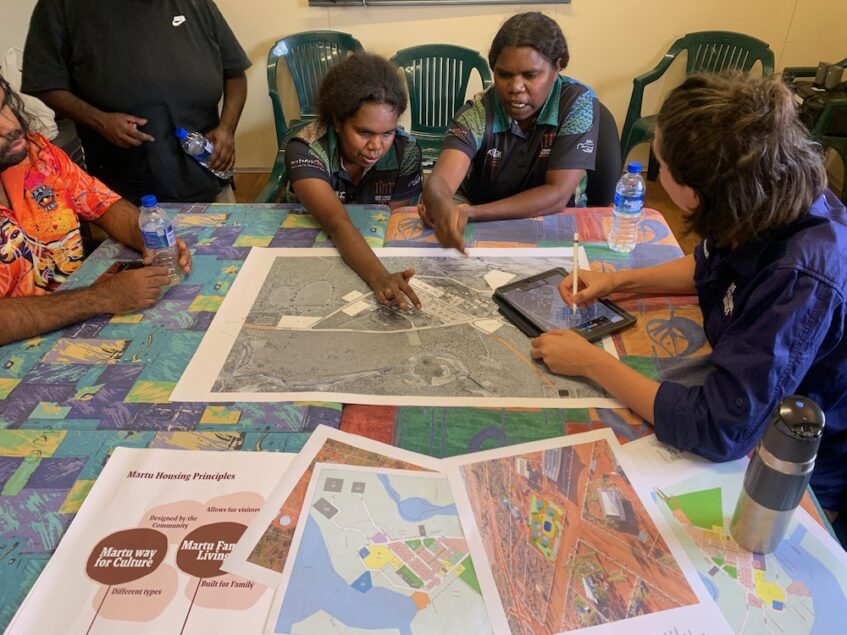
For Martu, all aspects of ngurra are connected, and boundaries between the public and private realms are porous. For instance, if you ask someone about their house, they will often respond with a story about their yard or the street, and how their home interacts with other people, the landscape or climate.
Past attempts to improve housing have been narrow and short-term responses. New houses are delivered without proper engagement or family decision-making. Planned maintenance, critically necessary in this harsh environment, has not been carried out in a systemic and sustained way.
For example, positioning for optimal solar performance would mean designing new houses that face north to capture airflow and natural light. While this is true in most urban settings, it can cause problems in communities where cultural protocol determines how you occupy space. Applying general standards without community engagement can result in poor outcomes for culture, with unwanted or taboo views towards ngurra or neighbours.
Any new housing and community plan needs to address these mistakes. It is not simply about materials, orientation or speed of delivery – they must have regard for culture, family and community sustainability.
Additionally, community-based repair and maintenance programs ensure that money spent in communities stays in communities, improving economic sustainability.
The design work is now complete, and Martu and JYAC are now in negotiation with the WA Government to fund the next stage of this project, which is the construction of quality housing on ngurra with Martu long-term house titles and community-based maintenance teams.
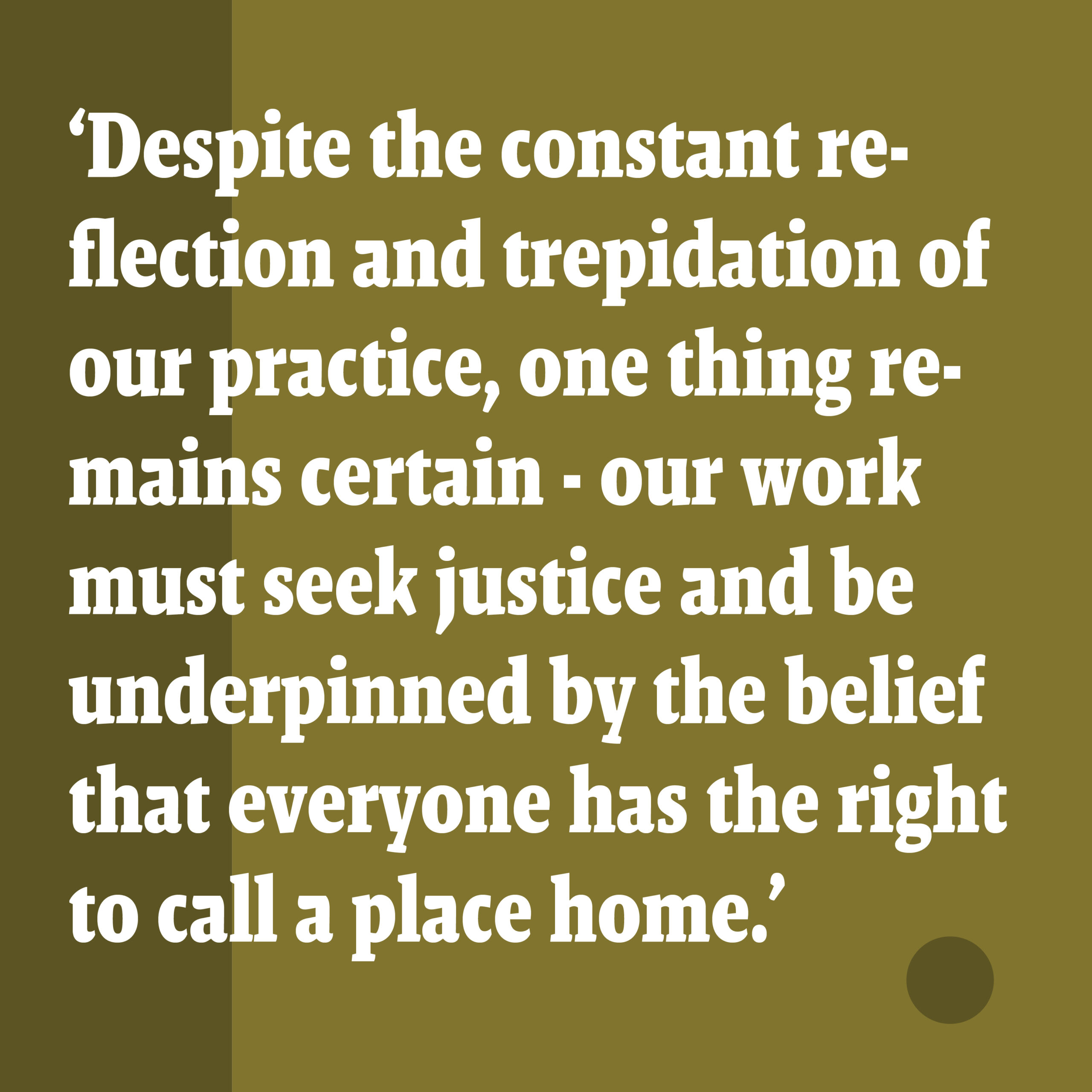
It is possible to avoid the merry-go-round mistakes of the past. Martu have a fully detailed plan to rebuild Martu communities and respond to climate change. Will the government listen?
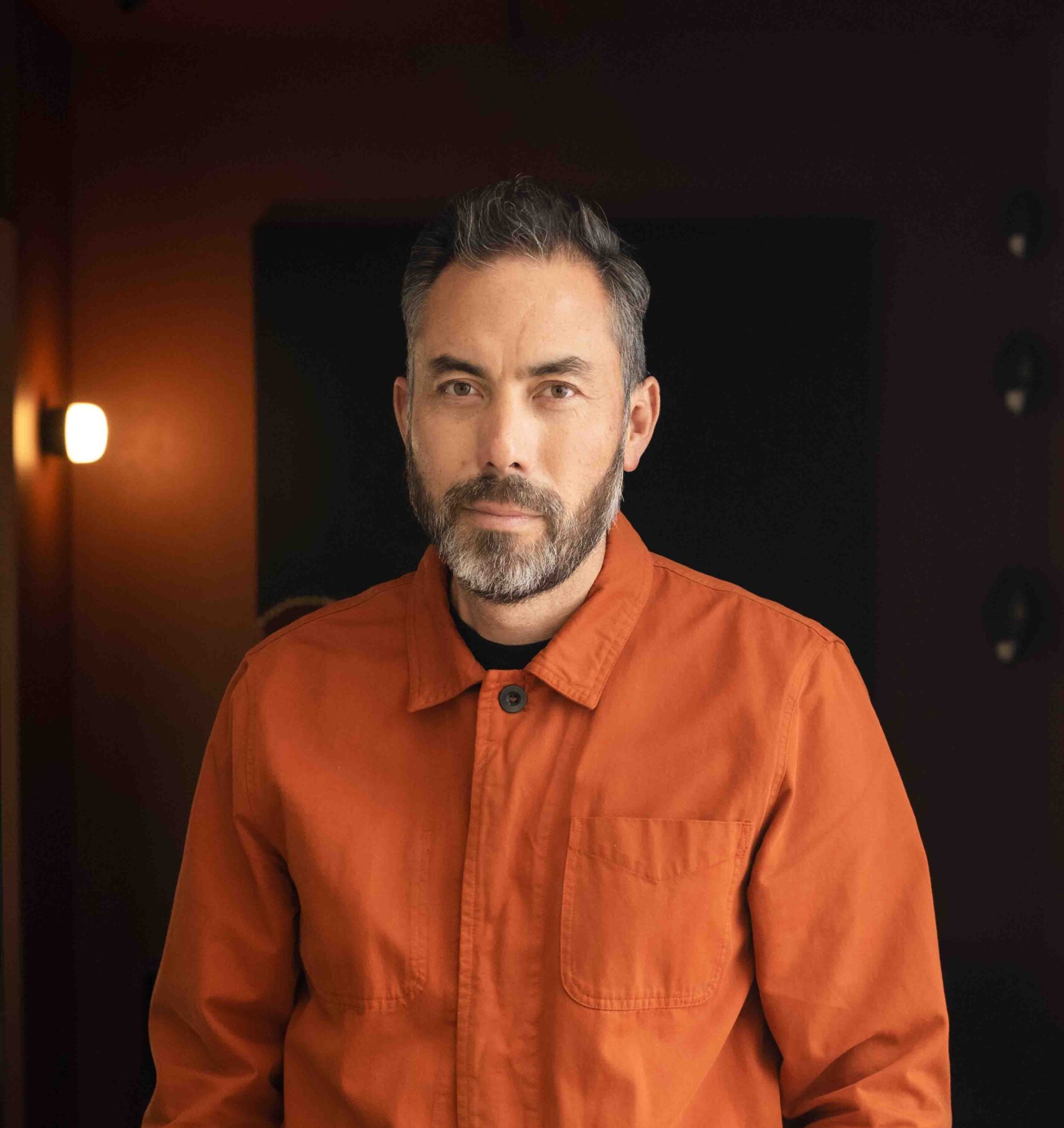
Tony McRae, Jamukurnu-Yapalikurnu Aboriginal Corporation CEO
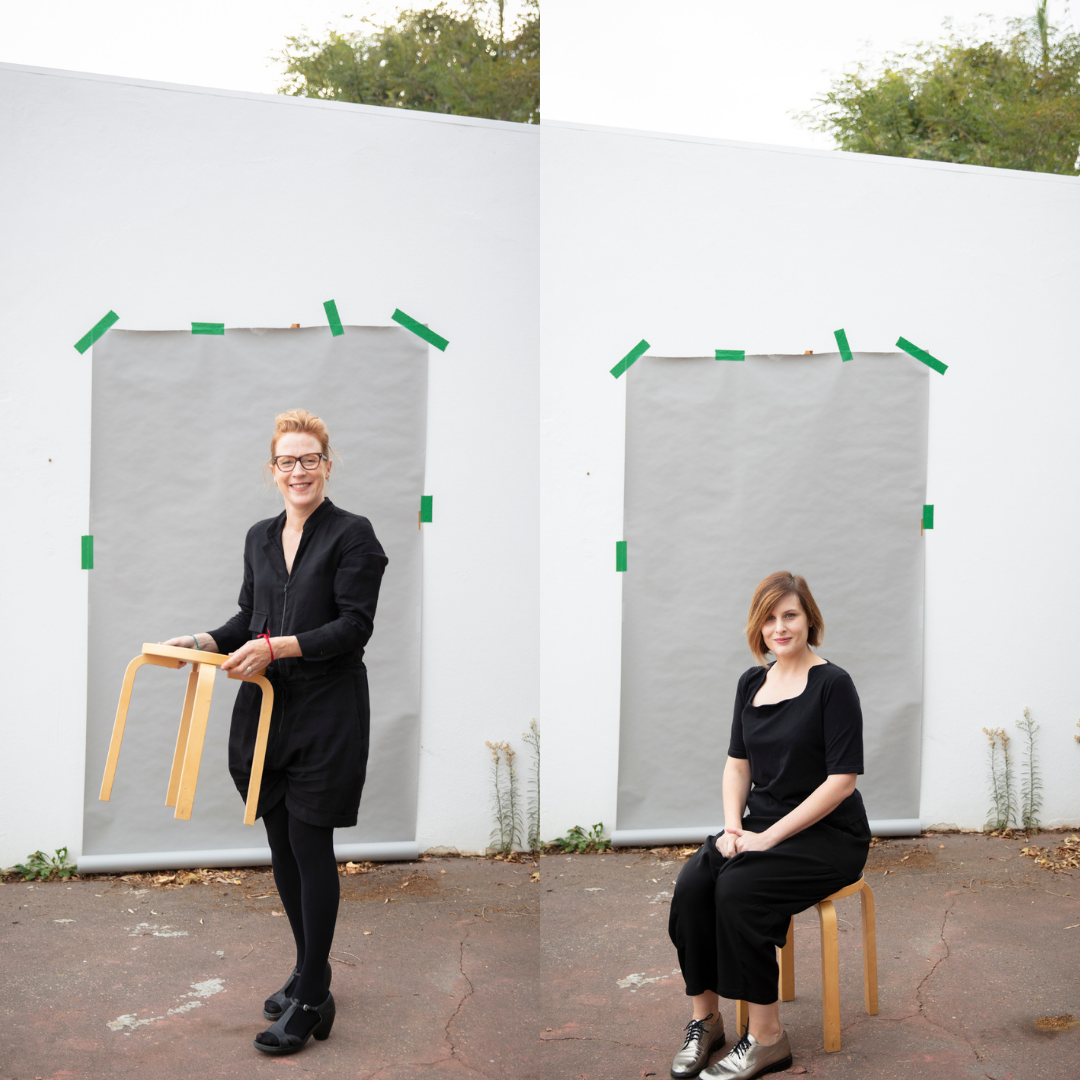
Kieran Wong, The Fulcrum Agency, Co-Founder and Partner
Next Article
The Wellbeing of Architects Melbourne 8 – 9 May
(View Article)