Evidencing our Impact
Nick Juniper, Principal at TF.A, is championing a new way of measuring the impact of design using the principals of the Social Return on Investment.
In 2017, I was fortunate to work on the refurbishment of Charter Hall’s new Perth headquarters. The project was the first in WA to be accredited using the WELL Building Standard, a method for measuring success against the metrics of wellbeing and user satisfaction. A key component to achieve WELL certification is the use of a post-completion user-centric evaluation process. This approach sparked my interest in developing a more nuanced set of metrics to determine the impact of projects.
In the time since Charter Hall, our practice has been looking beyond the norms of spatial and material configuration to instead place wellbeing at the heart of our work. In 2019, I attended a training course in Sydney on Social Return on Investment, a methodology that describes and measures the social outcomes that result from the implementation of a project or service. You can read more about that experience here . During this period of disruption brought on by COVID-19, I’ve been teasing out the benefits of the Social Return on Investment methodology and considering how we could apply them to further enhance our work in the built environment.
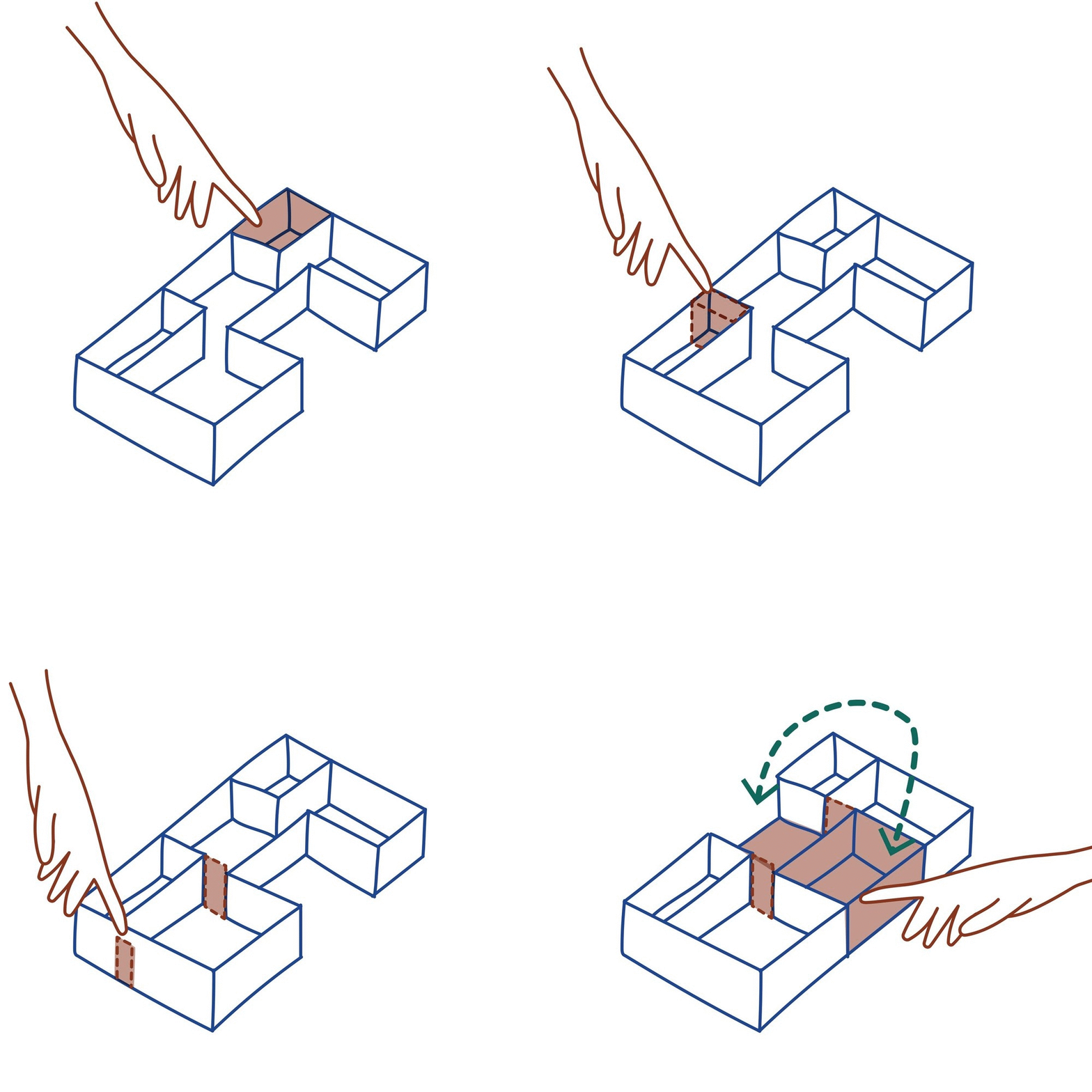
I believe that as a profession we need to get much better at assessing our projects and providing clients with a more complete understanding of the impact of their investment.
I believe that as a profession, we need to get much better at assessing our projects and providing clients with a more complete understanding of the impact of their investment. In addition to operational costs and delivery efficiencies, clients must be made aware of the long-term impacts on the end user’s health and wellbeing. These are the questions we should be asking: who is impacted by our projects / what are the social value outcomes of our work / how does an iterative and consultative approach to design and design thinking contribute to these outcomes / how can we measure these impacts?
We are developing a suite of tools at TheFulcrum.Agency to help us answer these questions. The Project Impact Evaluation (PIE) tool will assess the impact of a project post-completion and can be used on our own projects or others. Critical to the success of a PIE assessment is the identification of all stakeholders impacted by a project; an understanding of all intended, unintended, positive and negative outcomes that result from a project; and a methodology for measuring and valuing these outcomes.
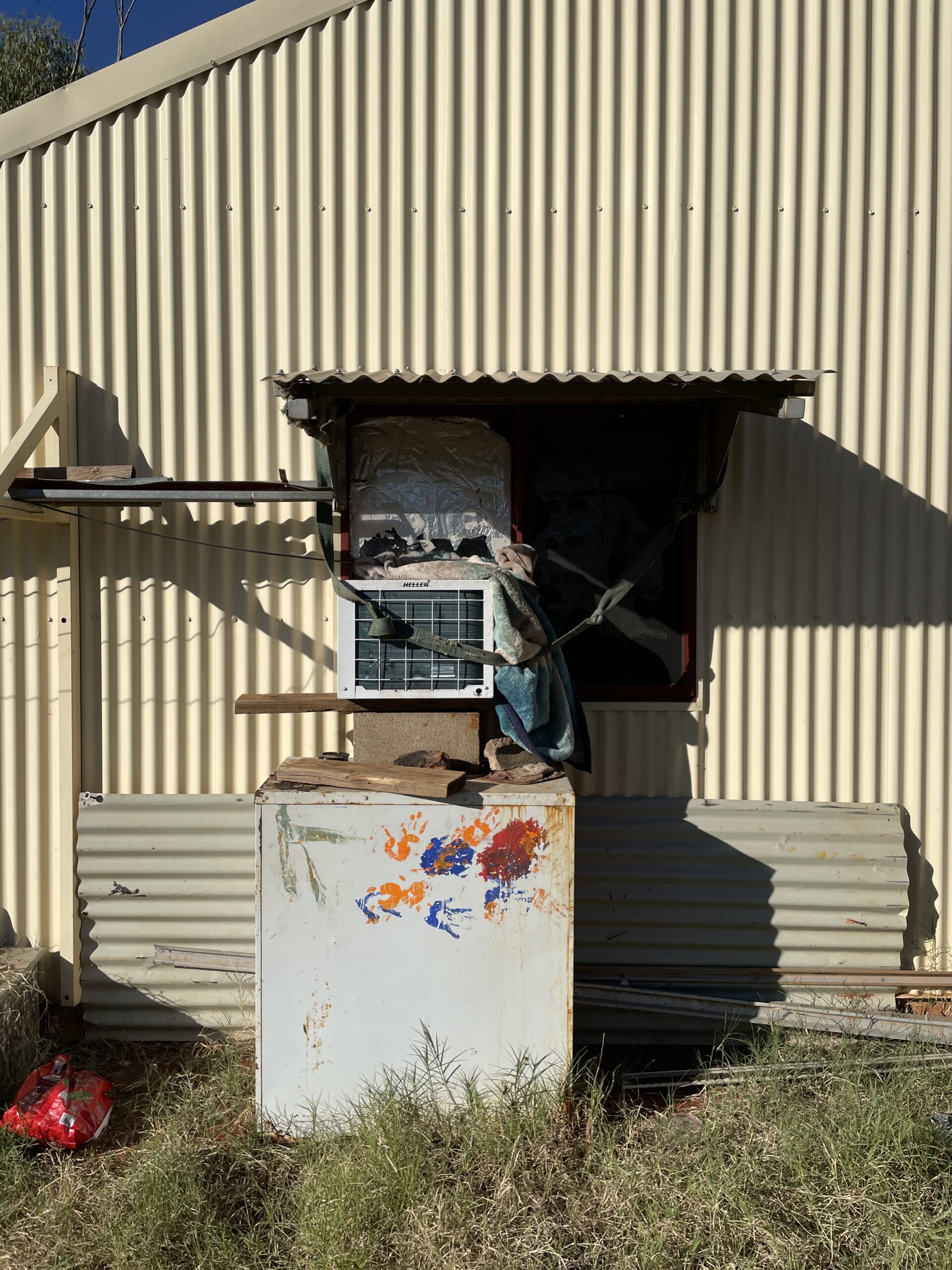
We are currently putting the PIE to the test on Groote Eylandt in the Northern Territory and will share the results as they become available. By closing the ‘lessons learned loop’ we will be able to improve they way in which we communicate our value as designers and assist our clients to better justify investment in future projects.
Next Article

Time. Value. Money. Building.
(View Article)